

How Much Should a Café Charge for a Waffle in the UK?
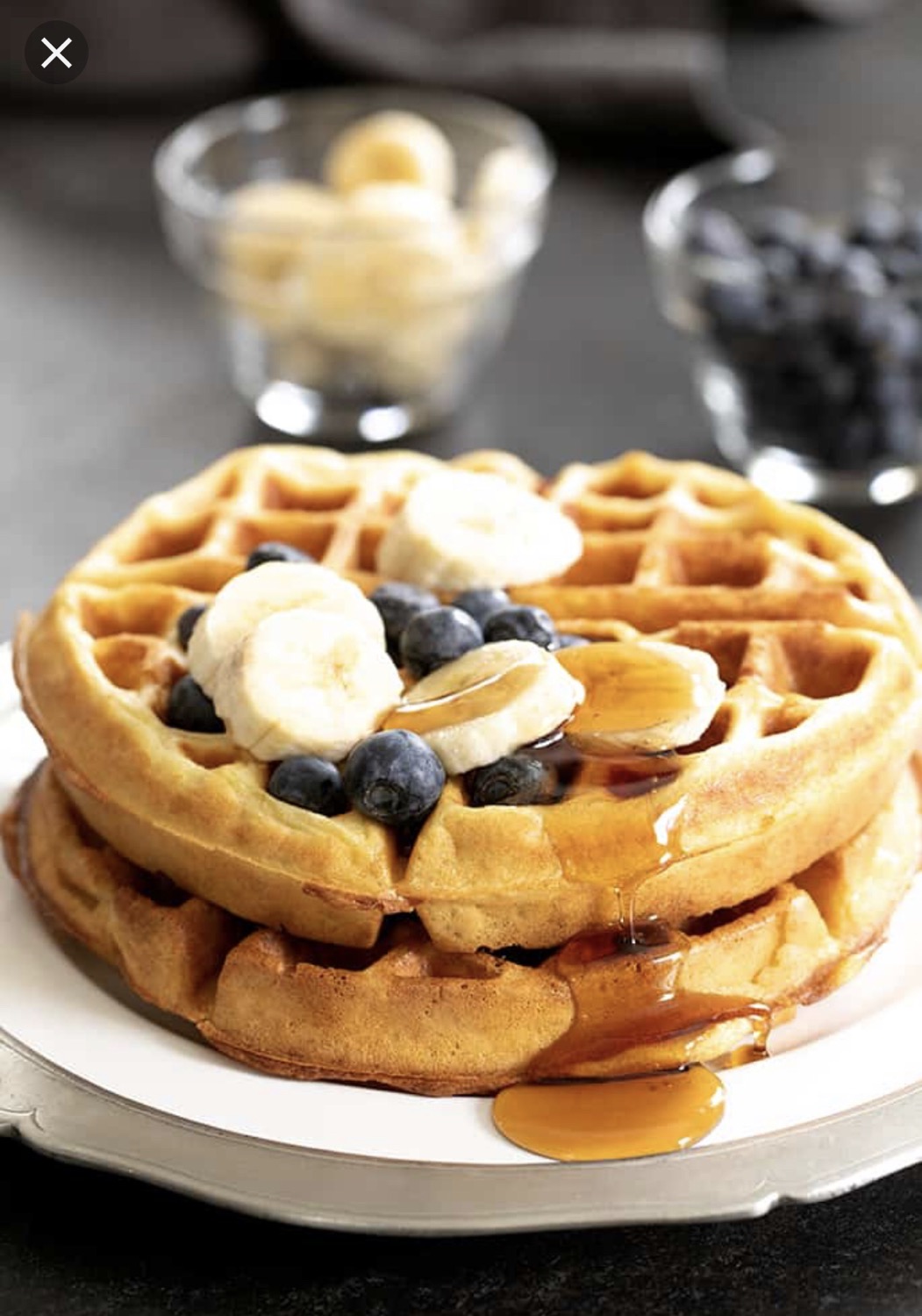
Short answer: a UK café should charge for a waffle by working backwards from the contribution it needs—not by multiplying flour cost or copying the cheapest local menu. As a current market reference, publicly listed UK prices reviewed for this guide ran from about £5.25 for a simple waffle to around £9 for loaded dessert-shop versions. Your correct price depends on the waffle format, toppings, labour, packaging, VAT treatment, sales channel, local demand and the value of the finished experience.
For many independent operators, a properly costed classic or lightly loaded waffle may land around the middle of that public range, while a premium build can justify more. That is a starting hypothesis, not a price instruction. The commercially safe answer comes from an exact recipe card, an ex-VAT contribution calculation and a short live test.
What is the right formula for pricing a waffle?
Contribution per waffle = selling price excluding VAT minus all variable costs caused by making and selling that waffle.
Variable costs normally include batter, sauces, fruit, gelato or cream, confectionery, packaging, napkins, direct assembly labour, card fees, delivery-platform commission, promotional discount and a realistic waste allowance. Rent, management salaries, insurance and marketing are usually overheads paid from the contribution left after those costs.
Required selling price excluding VAT = fixed variable cost divided by one minus the target contribution-margin percentage and any percentage-of-sale fees not already included.
If that formula sounds heavy, start with a simpler version: calculate the exact variable cost of the item, decide the cash contribution the business needs from each sale, then add any VAT that applies. The point is to prevent a visually impressive £8 waffle producing less cash than a fast £5.50 classic.
Do not confuse food cost, gross margin and contribution
Food-cost percentage compares ingredients with selling price. It is useful, but it ignores packaging, direct labour, waste and sales fees.
Gross margin is often used loosely in hospitality. Decide which costs your business includes before comparing percentages between items or sites.
Contribution is the money left by an individual sale after its variable costs. It is the clearest starting point for menu engineering because it shows what each waffle contributes towards fixed overheads and profit.
A waffle with a lower percentage margin can still be valuable when it creates more cash contribution, sells quickly and attracts a drink or add-on. Conversely, a high percentage on a low-priced item may not cover enough labour or rent.
Start with the real dry-mix cost
Golden Waffle’s current online price for the 13.5kg just-add-water commercial waffle mix is £54.95 before delivery. The case contains six 2.25kg bags. Using the working yield of approximately 160–180 waffles recorded in Golden Waffle’s commercial waffle-flour cost guide, the dry-mix element is roughly 31p–34p per waffle.
That figure is not the finished product cost. Run a site-specific yield test because plate depth, portion, overflow and staff technique change the number of saleable waffles. Divide the delivered case cost by the number actually sold—not the number theoretically poured.
Smaller or lower-volume operators can trial demand with the 3kg just-add-water commercial waffle mix or a 250g sample before fixing a permanent menu price. Pack formats have different costs per kilogram, so cost the format the café will genuinely reorder.
Build an exact recipe card before setting the price
Photograph the finished waffle and specify every component by grams, millilitres, scoops or counted pieces. “Chocolate sauce”, “a handful of berries” and “one scoop” are not cost controls unless the team uses the same bottle, scoop and portion each time.
The recipe card should record: dry mix or prepared-batter portion; sauce quantity; fruit weight; gelato or cream scoop; biscuit or confectionery pieces; garnish; takeaway packaging; napkin and utensil; preparation time; cook time; assembly time; expected remake rate; and allergen information.
A 3-litre precision measuring jug can support repeatable batter preparation and trial portions. Weigh expensive toppings at launch, then audit portions regularly after staff become confident.
A worked café pricing example
The following is an illustration, not a promise about any operator’s costs or margin. Replace every assumption with current invoices, payroll data and measured portions.
Illustrative variable cost: 33p dry mix, 80p toppings, 25p takeaway packaging, 45p direct preparation and assembly labour, and 15p for energy and expected waste. Total fixed variable cost: £1.98 before card fees, delivery commission and VAT.
If the café requires a 65% contribution margin before percentage sales fees, the calculation is £1.98 divided by 0.35, giving an ex-VAT price of about £5.66. If 20% VAT applies, the consumer price equivalent is approximately £6.79. A researched menu point such as £6.75, £6.95 or £6.99 could then be tested—but only after adding the real card fee, checking local competitors and confirming whether the customer sees enough value.
If the same waffle is sold through a delivery platform, the packaging may cost more and the commission may be a percentage of the selling price. Do not simply reuse the dine-in calculation. Model the delivery item separately.
How should VAT affect waffle menu pricing?
A VAT-registered operator should calculate contribution from the selling price excluding VAT. Consumer-facing menu prices normally need to show what the customer pays, but the tax element is not revenue available to cover toppings, wages or rent.
VAT treatment can depend on the supply and circumstances. Current GOV.UK catering and takeaway VAT guidance explains that catering and qualifying hot takeaway food are standard-rated, while other food supplies can be treated differently. Temporary or product-specific rules may also apply. Confirm the exact treatment with the business’s accountant or tax adviser rather than assuming every flour purchase and every finished waffle has the same VAT position.
This distinction matters for Golden Waffle buyers because commercial flour can be sold without VAT while the finished hot catered waffle may be standard-rated. Cost the customer sale from the correct net revenue.
How should café, takeaway and delivery prices differ?
Dine-in
The price can reflect table space, service, crockery, washing, ambience and the possibility of a longer customer stay. Include the labour and operating model the waffle actually uses; do not treat a plated café dessert as the same product as a paper-wrapped takeaway.
Counter takeaway
Add the complete packaging set and the time required to pack the order. Test whether a simpler build can travel without expensive specialist packaging. Keep sauces or cold components separate when that improves quality and reduces remakes.
Delivery platform
Include the platform commission, payment fees, promotional funding, enhanced packaging, refund risk and the portion of sales lost to discount campaigns. A channel-specific price or a delivery-specific menu build may protect contribution better than a blanket uplift.
Texture also affects commercial value. The guide on keeping waffles crispy during service and delivery explains why cooling, topping order and vented packaging should be tested before listing an item. A profitable spreadsheet is meaningless if the delivered waffle arrives soft and generates refunds.
Use a three-tier waffle menu
1. Classic entry waffle
Keep the build simple, fast and visually clean. It gives price-sensitive customers an accessible choice and often carries strong contribution because topping complexity is low. Do not overload it simply to make the photograph look more generous.
2. Core loaded waffle
This should be the easy-to-understand bestseller: one familiar sauce, one controlled fruit or biscuit component, and one scoop or cream portion. Use ingredients already present elsewhere on the menu so stock moves across drinks, pancakes or sundaes.
3. Premium signature waffle
Create a distinct reason to trade up—better fruit, premium gelato, a branded confectionery portion or a seasonal presentation. The price difference must exceed the extra ingredient, labour and waste cost. A premium name alone does not create contribution.
Place optional add-ons beneath the range with clear prices. Each add-on should have a fixed portion and a known contribution. Unlimited sauces or unmeasured confectionery quickly erode the menu ladder.
What should you compare with local competitors?
Review five to ten genuinely comparable operators within the café’s walk-in or delivery catchment. Compare waffle size, topping quantity, gelato, fruit, presentation, service channel, opening hours, delivery fees, review quality and whether the menu price includes extras that yours charges separately.
A current public snapshot reviewed for this guide showed a simple waffle at about £5.25, loaded café waffles around £8.95 and dessert-shop options around £6.99–£9. Those figures demonstrate market spread; they do not prove that £6.99 or £8.95 is right for your town, portion or brand.
Avoid anchoring to the lowest price. The cheapest competitor may have smaller portions, different rent, a delivery-only model, an introductory offer or poor economics. Compare the complete value proposition and the contribution your business needs.
How to price toppings and upgrades
Use contribution, not markup alone. A 50p ingredient added to a waffle for 75p sounds profitable until VAT, labour, waste and platform commission are included.
Group toppings by cost band. For example, basic sauces and crumbs can sit in one band; fruit, gelato and premium confectionery in higher bands. The customer sees a simple menu while the kitchen protects cost.
Limit included choices. A build-your-own waffle can include a controlled number of sauce, fruit and scoop selections, followed by clearly priced extras.
Audit the generous hand. Weigh random live portions weekly. Small unrecorded increases in sauce, fruit and gelato can remove more profit than the batter cost.
Should you use a food-cost percentage target?
It can be a useful screen, but it should not be the final answer. Different waffle builds consume different labour and service time. A fruit-heavy item may have a higher food-cost percentage but strong cash contribution; an intricate premium build may look excellent on percentage while blocking the pass for six minutes.
Measure contribution per sale and contribution per constrained minute. During a busy period, the item that produces £3 contribution in two minutes can outperform one producing £4 in five minutes when the same employee or machine is the bottleneck.
Protect profit from discounts and bundles
Calculate the lowest promotional price before launching any offer. A 20% discount comes from revenue, not only profit. Check contribution after VAT, toppings, packaging and channel fees at the discounted price.
Bundles work best when they add a high-contribution drink or side without slowing production. Model the bundle as one product: sum every component cost, then compare the bundle contribution with what customers would have purchased separately.
Delivery-platform-funded and operator-funded discounts are not the same. Record who pays, how commission is calculated and whether the offer creates genuinely additional orders or merely discounts existing demand.
How to test a new waffle price
Run a two-week pilot with a focused range rather than changing the entire dessert menu. Record impressions or menu views where available, units sold, conversion, average toppings, drink attachment, preparation time, remakes, waste, channel, discounts and cash contribution.
Test one meaningful change at a time. If you change the waffle size, photograph, menu position, toppings and price together, you will not know what caused the result. Keep the recipe stable while comparing two price points or presentations.
Ask staff what objections customers actually voice. “Too expensive” may mean the photograph, description or portion does not communicate value; an immediate discount is not always the correct response.
A practical monthly waffle pricing review
For every waffle, calculate units sold, net revenue, variable cost, contribution per item, total contribution, remake rate and average preparation time. Plot popularity against contribution.
Stars: high popularity and high contribution—protect consistency and visibility.
Ploughhorses: popular but lower contribution—tighten portions, adjust price carefully or improve add-on attachment.
Puzzles: good contribution but low popularity—improve the name, photograph, placement or staff recommendation before cutting price.
Dogs: low popularity and low contribution—simplify, replace or remove after allowing for strategic value.
Review invoices whenever suppliers change price and run a full menu review at least quarterly. High-volatility fruit, dairy and chocolate costs may require more frequent checks.
Frequently asked questions
Is charging three times the ingredient cost enough?
Not necessarily. That rule ignores direct labour, packaging, waste, VAT, card charges, delivery commission and the cash contribution needed for overheads. Use it only as a rough sense-check after the full calculation.
What gross margin should a waffle make?
There is no universal percentage suitable for every café. Required contribution depends on rent, wages, service speed, channel mix and sales volume. Set a target through the business budget, then check both percentage and cash contribution.
Should a delivery waffle cost more than dine-in?
It may need to because packaging and platform commission are higher, but the correct response can also be a simpler delivery build. Follow platform terms and applicable pricing rules, and model the channel separately.
How often should waffle prices be reviewed?
Review cost changes monthly and complete a structured menu review at least quarterly. Recalculate immediately after a material change to mix, toppings, portion, wage cost, packaging, VAT treatment or platform fee.
Does a more expensive topping always justify a higher price?
Only when customers perceive enough added value and the price increase covers every extra cost. Premium ingredients that slow assembly or increase waste may require a larger uplift than their invoice cost suggests.
How can a dessert shop price bubble waffles?
Use the same contribution method but measure the correct bubble-waffle portion, packaging and assembly time. Do not copy a standard round-waffle yield. The bubble-waffle profitability guide covers the format’s equipment and workflow decisions.
The commercial answer
A café should charge what produces the required contribution after the complete waffle cost and still feels fair for the local experience. Begin with an exact recipe, calculate net revenue correctly, separate dine-in from delivery, compare equivalent competitors and test a three-tier menu. For many current UK operators, public prices in the mid-single digits to around £9 provide context—but the disciplined calculation, not the copied price, protects profit.
Golden Waffle supplies UK hospitality businesses with just-add-water mix, samples, measuring equipment, waffle machines and selected accessories. Use the current product prices and your own measured portions to build a menu that is simple for staff, attractive to customers and commercially defensible.


Comments