


How Can Cafés Keep Waffles Crispy During Busy Service and Delivery?
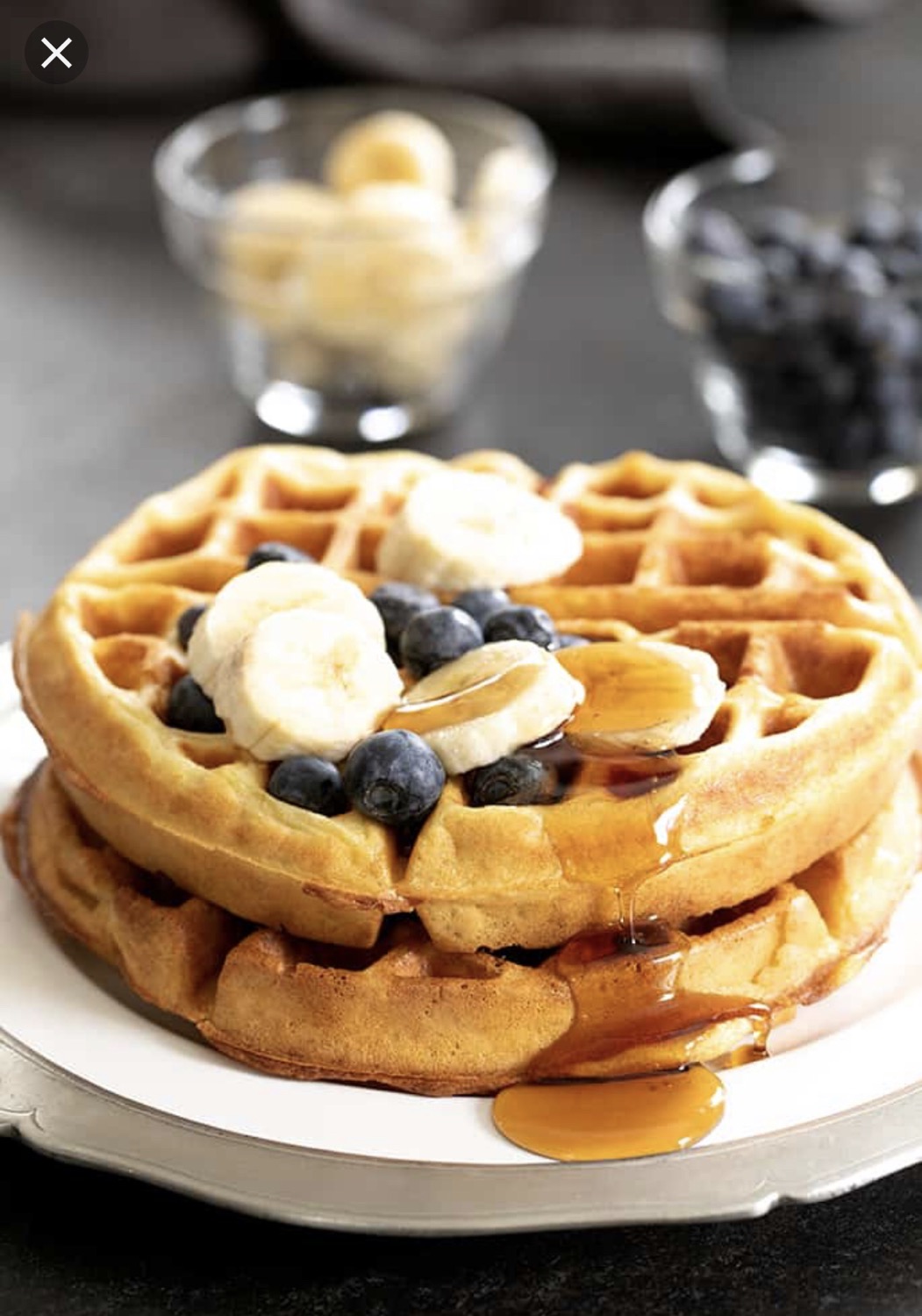
Cafés keep waffles crispy by controlling moisture at every stage: cook each waffle fully, let steam escape on a wire rack, never stack hot waffles, add wet toppings only at the point of service and use vented packaging for takeaway orders. The most reliable commercial approach is to cook close to demand and move the waffle through a short, repeatable make-to-serve process rather than holding large batches.
A waffle can leave the machine crisp and become soft within minutes if steam is trapped underneath it, between stacked waffles, under a cover or inside unsuitable packaging. That is an operational problem—not necessarily a problem with the mix. The solution is to combine correct machine recovery, consistent portions, airflow, disciplined finishing and realistic delivery testing.
Why commercial waffles lose their crispness
A freshly cooked waffle continues releasing moisture after the machine opens. If that moisture cannot escape, it condenses against the crust and softens it. A flat plate restricts airflow underneath; a second waffle traps steam from above; a closed clamshell can create a humid chamber; and sauces, fruit or ice cream add moisture directly to the surface.
Busy services make the issue worse because teams often try to save time by stacking, batch-cooking too far ahead or closing takeaway packaging immediately. Those shortcuts may appear faster at the pass but can lead to remakes, inconsistent presentation and disappointed customers.
Crispness also starts inside the waffle machine. If the plates have not recovered their working heat between orders, the portion is inconsistent or the waffle is removed before it is fully cooked, the outer structure may not be strong enough to survive plating or delivery.
The six-part crisp-waffle service method
1. Prepare the mix consistently
Use the current preparation instructions and measure both dry mix and water accurately. Guessing the water level or changing the ratio between team members changes batter flow, waffle fill and finished texture. Mix only the amount that fits the expected service and your documented batter-handling controls.
Golden Waffle’s 13.5kg commercial waffle and pancake mix is UK-blended and supplied as six 2.25kg bags. It is prepared by adding water, without adding eggs, butter or oil during preparation, which helps hospitality teams standardise the method across shifts.
2. Allow the waffle machine to preheat and recover
The ready signal should be treated as part of the operating procedure, not as background decoration. Before the first order, allow the machine to preheat according to its instructions. Between waffles, close the machine and allow it to recover rather than refilling immediately during a rush.
If output increases but plate temperature falls, the next waffle may colour slowly and leave with a softer surface. That creates a false economy: the team saves seconds between cycles but loses quality and may need to remake the order.
A suitable commercial rotating waffle machine should form part of a planned station with enough safe clearance, a repeatable portion and a simple hand-off route. Golden Waffle’s machine can be purchased outright or may be supplied on loan to approved UK businesses, subject to programme terms.
3. Use the same portion and full cooking cycle
Overfilling can cause overflow and a dense, damp centre; underfilling can produce thin areas that cool quickly or look incomplete. Define the portion by an actual measure or dispenser setting, then train every operator to use it.
Do not judge doneness by one patch of colour alone. Confirm the correct cycle during a product trial, using the intended mix, portion and machine. If the waffle repeatedly leaves pale or soft, investigate heat recovery, portion and preparation before changing several variables at once.
4. Release steam on a cooling rack
Move the waffle from the plates to a clean wire cooling rack in a single layer. Elevating it lets air move beneath the base while steam escapes from the top. This brief stage is especially useful while the plate is being dressed or the takeaway order is being checked.
The Golden Waffle 25cm stainless-steel cooling rack is designed to provide airflow around freshly cooked waffles. It should be kept clean and positioned so it does not create cross-traffic at the pass.
Do not stack waffles on the rack. Even a good rack cannot circulate air between two hot surfaces pressed together. If the team needs more capacity, add rack space or reduce batch size rather than building a pile.
5. Add toppings at the last possible moment
Wet toppings begin softening the waffle as soon as they touch it. Sauces, syrup, fruit compote, ice cream and whipped toppings therefore belong at the finishing point—not on waffles waiting for the rest of an order.
For plated service, build the dish immediately before collection and place moisture-rich ingredients strategically rather than flooding the entire grid. For a delivery order, consider packing sauces, syrup, ice cream and juicy fruit separately so the customer combines them after opening.
6. Dispatch immediately in packaging that manages steam
A fully sealed container traps moisture. For a hot waffle that relies on a crisp exterior, a vented food-contact box is generally a better starting point than an unvented plastic clamshell. The packaging must still protect the product, suit the full order and comply with the operator’s food-safety and allergen procedures.
Do not assume that any box with a hole will work. Vent position, box depth, waffle size, toppings, travel time and the way delivery bags are packed all change the result. Test the complete order through the actual delivery journey.
Service format comparison
Made-to-order café or dessert-shop service
This is the easiest format for protecting texture because the waffle can move directly from machine to rack, finishing and table. Focus on machine recovery, a single-layer cooling point and clear collection timing. Avoid placing the finished waffle under a solid cover while waiting for drinks or another dessert.
Hotel breakfast buffet
Cook closer to demand instead of creating a large reserve. If waffles are guest-made, give a clear portion and simple instructions, keep the removal utensil beside the machine and supervise the area. If staff cook, use a small replenishment rhythm and avoid piling finished waffles under a cloche where steam can collect.
A heat-resistant silicone waffle fork helps lift waffles without using sharp metal utensils against coated plates. The 29cm tool is intended to keep hands farther from the hot cooking surface while helping protect the coating.
Takeaway and delivery
Delivery is a different product test, not simply plated service placed in a box. The waffle will travel through changing temperature, movement and humidity. Design a delivery version that tolerates that journey: use suitable vented packaging, separate wet toppings, avoid compressing the waffle and set a realistic delivery radius.
Where the journey is longer, it may be better to simplify the topping build or offer components for customer assembly. The menu description should reflect what the customer will actually receive, not the appearance of a waffle served immediately at the counter.
A practical takeaway test before launch
Do not approve packaging by looking at it on the supplier’s website. Run a controlled test using the same waffle, topping portions, box, carrier bag and journey your customers will experience.
Cook the waffle using the documented mix ratio, portion and cycle.
Rest it briefly on the wire rack in a single layer.
Pack sauces and moisture-rich toppings according to the proposed delivery format.
Close and carry the order exactly as a driver would, including any stacked bags or cold drinks.
Open and assess the waffle at realistic journey intervals.
Record crust texture, base moisture, temperature under the site’s controls, topping movement and packaging condensation.
Repeat the test on another shift before approving the standard.
Use the results to decide the delivery radius, packaging type and which toppings travel well. A five-minute collection order and a longer third-party delivery may need different builds. Record the chosen method in a one-page staff standard with photographs if possible.
How to diagnose a soft or soggy waffle
Soft immediately after opening the machine
The machine may not have fully preheated or recovered between cycles.
The portion may be too large for the plate cavity.
The batter ratio or mixing method may be inconsistent.
The cooking cycle may not have been validated for the actual set-up.
Crisp from the machine but soft on the plate
The waffle may have been placed directly on a flat surface with no lower airflow.
Hot waffles may have been stacked.
A cover may be trapping steam.
Wet toppings may have been added before the rest of the order was ready.
Crisp at collection but soggy after delivery
The container may be unvented or overfilled.
Steam may be collecting against the lid and returning to the waffle.
Sauces, fruit or ice cream may be travelling on the waffle.
The delivery radius or journey time may exceed what the chosen build can tolerate.
Uneven release, sticking or damaged sections
Check that the plates are clean, correctly fitted and free from obvious coating damage. Use suitable non-scratching utensils and follow the manufacturer’s care instructions. Repeated sticking can be a sign that the operating method or the plates themselves need attention.
Use Golden Waffle’s guide to when commercial waffle plates should be replaced to separate correctable cleaning or process problems from visible wear and coating damage.
Food safety must remain part of the texture process
Texture improvements must not override food-safety controls. The business should document how mix is prepared, how prepared batter is stored and identified, how equipment and racks are cleaned, how allergens are managed, and how finished food is held or transported.
The Food Standards Agency’s food-safety management guidance for businesses states that food businesses need to make and follow a system for managing food safety, including appropriate practices for cooking, chilling, cleaning, cross-contamination, storage and transport. Apply that system alongside the product and equipment instructions.
If a waffle or assembled dish is held hot, chilled or transported under a defined temperature procedure, follow the controls set by the business and the applicable guidance. A cooling rack is for short operational airflow; it is not a substitute for controlled storage or holding equipment.
A one-page staff standard for consistent waffles
The most effective training document is short enough to use during service. Include the following points beside the station:
Exact mix and water measure from the current pack instructions.
Approved batter portion and dispenser or jug.
Machine preheat, ready signal and full cycle.
One waffle per rack position—never stacked.
Approved removal utensil; no metal tools on coated plates.
Plated and delivery topping sequence.
Approved takeaway box and separate sauce pots.
Cleaning, batter-handling and end-of-service responsibilities.
Who to tell when colour, release or texture changes.
Supervisors should observe the complete process, not just the final waffle. A team may achieve the right colour while creating avoidable delays or moisture at the pass. Review the standard whenever the mix, machine, portion, toppings or packaging changes.
Why crispness matters commercially
Customers associate a crisp exterior and light centre with a freshly prepared waffle. When the texture varies by shift or delivery journey, the business can face remakes, additional topping cost, slower queues and poor value perception.
A controlled process improves more than the waffle. It makes portion use easier to monitor, reduces improvisation, gives new staff a defined method and produces more reliable photography and customer presentation. The goal is not to hold waffles indefinitely; it is to protect quality during the shortest sensible path from machine to customer.
Frequently asked questions
Should cafés stack waffles to keep them warm?
No. Stacking traps steam between the waffles and softens their surfaces. Hold them only for the shortest practical time in a single layer with airflow, within the business’s food-safety controls.
Does a cooling rack make waffles cold?
A rack allows steam to escape and is intended as a brief service step, not long-term holding. The team should move the waffle promptly to finishing and service. If the operation requires controlled hot holding, use suitable equipment and a documented procedure.
What is the best packaging for waffle delivery?
Start with a correctly sized, food-contact, vented box that allows steam to escape without crushing the waffle. Test it with the actual toppings and delivery route. Packaging performance varies, so do not rely on material or vent claims alone.
Should syrup be added before a waffle is delivered?
Separate syrup usually protects texture better because the customer adds it after opening. The same principle can apply to sauces, fruit compote and ice cream, subject to the product, packaging and food-safety requirements.
Why are waffles pale and soft during a rush?
A common cause is insufficient machine recovery between cycles, but portion size, mix preparation and cooking time should also be checked. Change one factor at a time and document the result.
Can old waffle plates make waffles stick?
Yes, visible coating damage or wear can contribute to sticking and poor release. First check cleaning, fitting, preheating, portion and utensils; then inspect the plates and replace them when appropriate for the machine.
Create a faster route from machine to customer
The commercial answer to crisp waffles is not one trick. It is a chain of small controls: consistent batter, recovered plate heat, a full cooking cycle, airflow, late toppings and delivery packaging proven on the real journey. Golden Waffle can help hospitality operators combine commercial mix, equipment and staff workflow into a more repeatable waffle service.


Comments