

How Much Batter Should You Put in a Commercial Waffle Maker?
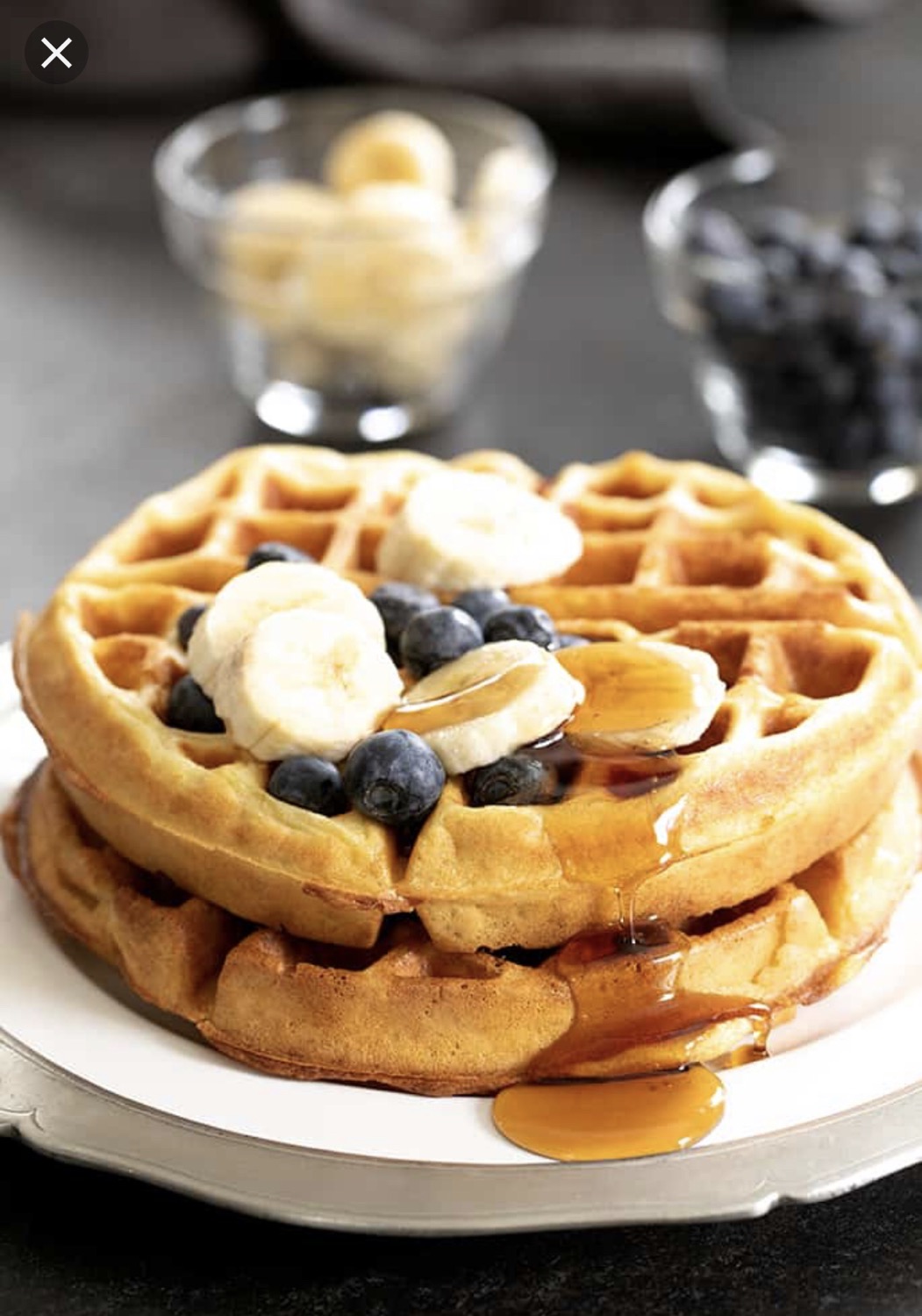
Short answer: there is no dependable universal cup, ladle or gram figure for every commercial waffle maker. The correct portion is the smallest repeatable amount that fills your exact lower plate after closing or rotating, produces a complete waffle and does not force batter into the overflow channel. Calibrate it with your machine, plates and prepared mix, then record the result as a venue standard.
A figure copied from a domestic recipe can be expensive in service. Plate diameter, grid depth, batter viscosity and machine movement all affect fill. Start with the machine manufacturer’s instruction, prepare the mix exactly as directed and validate the portion on the equipment you actually use. If you are setting up or replacing equipment, see the Golden Waffle commercial rotating waffle machine and confirm suitability and current commercial terms before ordering.
Why a single ‘cups per waffle’ answer is unreliable
Search results often give a single household-style cup measure. That looks convenient, but it combines very different machines and waffle formats. A deep Belgian grid cannot be treated like a shallow plate, and a round rotating machine does not distribute batter in exactly the same way as a static square iron.
The main variables are
Plate geometry: diameter, depth, grid pattern and edge design determine the cavity volume.
Machine action: closing pressure, rotation and hinge clearance change how batter spreads.
Mix consistency: water accuracy, mixing method, batter temperature and holding time affect flow.
Dispensing method: a jug, ladle, pump or gravity dispenser can deliver different amounts even when staff think each portion is ‘one scoop’.
Service conditions: a fully recovered hot plate can behave differently from equipment being loaded continuously at peak demand.
That is why the correct operating standard is machine-specific and mix-specific. If either changes—new plates, a different batter recipe, a new dispenser or a replacement machine—recheck the portion rather than assuming the old setting still applies.
What underfilling and overfilling look like
Signs the portion is too small
The outer edge is incomplete or thin.
Sections of the grid are missing, especially away from the pour point.
The waffle looks inconsistent beside the same menu item made by another employee.
Thin areas brown or dry before the centre reaches the intended finish.
Presentation and topping coverage vary from one order to the next.
Signs the portion is too large
Batter escapes into the overflow channel or onto the machine body.
Cooked ‘skirts’ need trimming before service.
The hinge, plate edge or drip area soils unusually quickly.
Staff lose time between orders cleaning avoidable spillover.
The saleable waffle is not materially better, but batter use and waste rise.
Overflow is not always a simple portion problem. If a previously stable standard suddenly starts sticking or spilling, use the diagnostic checks in Why Do Waffles Stick to a Commercial Waffle Machine? before compensating with more batter, more spray or a higher heat setting.
A practical method to calibrate the batter portion
Run the test outside the busiest service period. Use one prepared batch, one trained operator and one set of machine settings so that portion size is the main variable. Keep the current product label, pack instructions and machine manual available.
Preheat the machine fully and operate it according to the manufacturer’s instructions.
Prepare one batch accurately. Measure the water and dry mix with the same tools staff will use in service, then mix and hold it exactly as the current instructions require.
Choose a conservative starting portion. Use the manufacturer’s supplied measure or model-specific recommendation where one exists.
Measure the starting portion. Weighing the filled dispensing tool is usually the clearest way to document a test; volume or a timed dispenser setting can be recorded as a secondary service measure.
Pour in the same place and close or rotate the machine in the same way each time. Do not change temperature and portion simultaneously.
Assess the finished waffle for complete edges, even grid definition, colour, release and spillover.
Adjust in small, controlled steps. Increase only when the plate remains visibly underfilled; reduce when batter reaches the overflow area.
Confirm the chosen portion across several consecutive waffles after the machine has returned to normal operating conditions.
Write the standard down. Record the mix, water measure, dispensing tool, portion weight or setting, pour position, machine programme and an approved product photograph.
The aim is not to force the largest waffle from the plate. It is to find the lowest repeatable portion that reliably produces the agreed saleable specification. That protects both presentation and gross-margin control.
Should you measure batter by weight, volume or dispenser setting?
Method | Best for | Strength | Watch-out |
Weight | Calibration and audits | Most useful for comparing true portions and calculating batter use | Slower at the point of service unless used only for checks |
Measured volume | Lower-volume cafés and training | Simple with a marked jug or fixed ladle | Operator angle, residue and overfilling the tool can change delivery |
Timed or indexed dispenser | Hotels and busy counters | Fast and repeatable once calibrated | Settings must be checked when batter consistency or equipment changes |
For batch preparation, the Golden Waffle 3-litre precision measuring jug supports repeatable water measurement. A suitable lidded container, such as the Golden Waffle 15-litre bucket with lid and bung, can support controlled preparation and dispensing when used in line with the product and equipment instructions.
Turn the test result into a staff standard
A good portion specification should be easy to execute during a rush. If it depends on one experienced employee ‘knowing by eye’, it is not yet an operational standard.
Include these points in the station guide
The approved mix and current preparation ratio from the pack.
The exact water-measuring tool and mixing sequence.
The dispensing tool, pump position or timed setting.
The portion check in grams or another verified measure.
Where to pour and when to close or rotate the machine.
The approved cook programme and first-waffle quality check.
Clear examples of underfill, correct fill and overflow.
What staff should do when batter thickens, a dispenser blocks or results change.
Build these controls into induction and refresher sessions. The wider commercial waffle machine staff-training guide covers preheating, safe operation, cleaning and quality checks, while standardising waffle quality across multiple sites explains how groups can control the same specification across teams and locations.
How portion control affects waffle cost
The useful commercial number is not dry-mix cost alone. It is the prepared-batter cost per saleable waffle after test pieces, overflow and remakes are counted.
Use this simple formula: prepared batch cost ÷ number of saleable waffles from that batch = batter cost per saleable waffle.
For an operational check, compare prepared batter at the start of service with saleable waffles produced, approved samples, recorded waste and batter remaining. A portion that is only slightly heavy can become material when repeated through a full breakfast sitting, a weekend dessert trade or several franchise locations.
WRAP’s UK hospitality research reports that portion size is a leading reason diners leave food when eating out, reinforcing the value of deliberate specifications rather than automatic oversizing. Read the WRAP findings on portion size and plate waste. For menu-level pricing, combine your verified portion cost with toppings, labour, packaging, energy, commission and VAT treatment; the UK café waffle-pricing guide sets out the broader calculation.
Portion priorities by hospitality format
Hotel breakfast and self-service
The portion must be simple enough for guests to reproduce without staff intervention. A calibrated dispenser can be easier to control than an open jug, but the exact output still needs testing against the installed machine and prepared batter. Provide a short visual instruction and position the spill tray and utensils so the process is obvious.
If you operate guest self-service, compare delivery formats in What Is the Best Waffle Batter Dispenser for Hotels? and validate the dispenser setting at the start of each service.
Café, restaurant and dessert shop
Presentation consistency is often as important as speed. Record the finished waffle specification alongside the portion: edge completeness, colour, texture and maximum holding time. If waffle size changes, re-cost sauces, fruit, ice cream and packaging as well as batter.
Takeaway, mobile catering and events
Equipment recovery and ambient temperature can vary more than in a fixed kitchen. Keep the portion standard constant while diagnosing heat recovery; increasing batter to compensate for a pale or slow waffle usually adds load and may make the problem worse.
Multi-site and franchise operations
Use a weight-based master specification, then translate it into the approved on-station tool or dispenser setting. Audit both the delivered portion and the finished waffle. This separates a dispensing drift from a mixing, plate or temperature problem.
Troubleshooting: when portion size is not the real cause
Do not keep changing the portion if results remain uneven. Check the upstream variables in order:
Was the correct amount of water used for the batch?
Was the batch mixed and held according to the current instructions?
Is the machine fully preheated and recovering between loads?
Are the plates clean, correctly fitted and in serviceable condition?
Is the pour position consistent and is the machine being rotated correctly where required?
Has the dispensing tool, nozzle or setting changed?
Is the approved release procedure being followed without excessive application?
Changing multiple settings at once hides the cause. Return to the documented baseline, alter one variable and record the result.
Choosing a commercial mix for repeatable portions
A consistent preparation method makes portion calibration easier to teach and audit. Golden Waffle’s 13.5kg commercial waffle and pancake mix contains six 2.25kg bags and is UK-blended in a just-add-water format. For lower-volume trials, the 3kg just-add-water waffle mix provides a smaller commercial format. Always follow the current pack label for preparation, allergens, storage and best-before information.
Golden Waffle can discuss mix, equipment and operational setup for hotels, cafés, restaurants, dessert shops, caterers and multi-site operators. Equipment availability, on-loan arrangements and other commercial terms depend on approval, location and the current offer.
Frequently asked questions
How many millilitres of batter go in a commercial waffle maker?
There is no universal millilitre figure. Use the manufacturer’s model-specific guidance as a starting point, then calibrate the lowest repeatable amount that fills the plate without overflow. Record the validated volume and a weight check for your own mix and machine.
Is it better to weigh waffle batter?
For calibration and audits, weighing is usually the clearest comparison because it shows the actual amount delivered. During service, a fixed-volume tool or calibrated dispenser may be faster, provided its output is checked against the weight standard.
Why does the same scoop sometimes overflow?
The scoop may not be delivering the same amount, or the batter may have changed in consistency because of inaccurate water, mixing, temperature or holding time. Check preparation and dispenser technique before reducing the standard.
Should batter reach the edge before I close the waffle maker?
Follow the machine manufacturer’s instructions. Many machines spread batter when the lid closes or the unit rotates, so judging only the open lower plate can lead to overfilling.
Do bubble waffle plates need the same portion as Belgian waffle plates?
No assumption should be made. Different plate formats have different cavity shapes and volumes. Recalibrate whenever plates or waffle style change.
How often should a business recheck the portion?
Check it during setup and after any change to the mix, recipe, plates, machine, dispensing tool or staff process. A quick verification at the start of service also helps catch preparation or dispenser drift before waste accumulates.
The commercial takeaway
Set the batter portion by evidence, not by a generic cup measure. Calibrate on the exact machine, choose the lowest amount that produces a complete saleable waffle without overflow, and convert that result into a staff-friendly tool or dispenser setting. The result is a cleaner station, more consistent presentation and a portion cost you can actually manage.


Comments