

How Should Hotels Manage Allergens at a Self-Service Waffle Station?
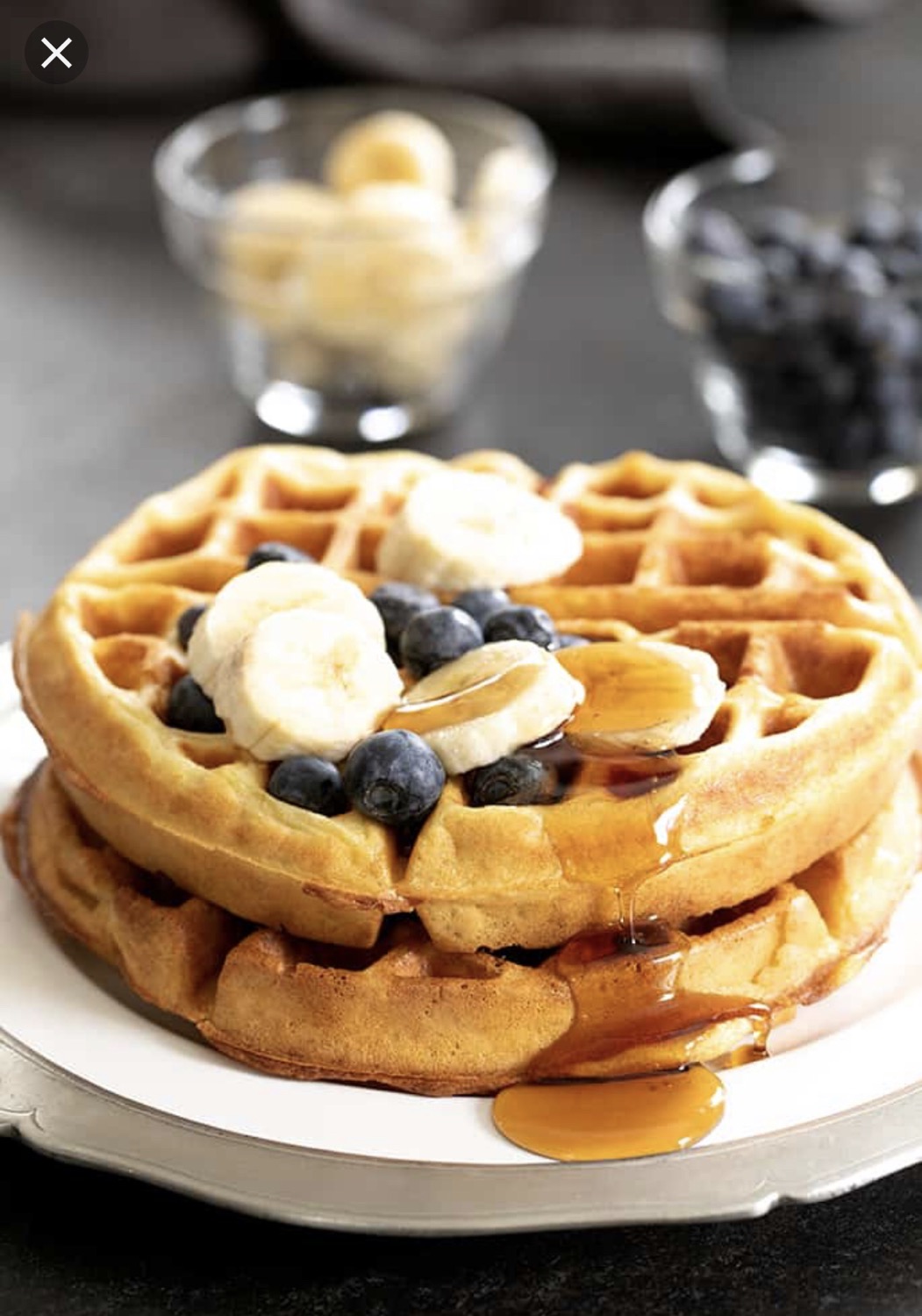
Short answer: a hotel should manage allergens at a self-service waffle station through one controlled chain—from the current mix and topping specifications to written guest information, trained staff conversations, separated utensils, documented cleaning and a clear response when a guest declares an allergen requirement. A label beside the machine is useful, but it is not a complete control system.
The breakfast manager should be able to trace every ingredient at the station, explain where cross-contact may occur and stop service if the written information no longer matches the products in use. If the hotel cannot prepare a waffle within its validated controls, staff should say so clearly rather than improvise or promise that an item is safe.
What allergen information must a hotel control?
For food served loose or made to order, the starting point is the recipe actually used on the day. That includes the dry waffle mix, water or any other preparation ingredients, release product, sauces, spreads, fruit preparations, confectionery, ice cream, garnishes and anything added by staff or offered for guests to add themselves.
The Food Standards Agency says food businesses must tell consumers when any of the 14 regulated allergens are used as ingredients. Its current best-practice guidance for non-prepacked food recommends written information supported by a conversation. Read the FSA allergen information guidance for non-prepacked foods. The guidance applies in England, Wales and Northern Ireland; Scottish operators should also check current Food Standards Scotland requirements and guidance.
Do not build the matrix from memory, a marketing headline or an old website description. Use the latest approved pack label and supplier specification for the exact product and pack in stock. Keep the batch or lot information available so the hotel can trace what was served.
Just add water does not mean allergen-free
Golden Waffle’s current commercial waffle mix uses a just-add-water preparation method, so staff do not add eggs, butter or oil during standard preparation. That operational simplicity must not be turned into an egg-free, dairy-free, vegan, gluten-free or other dietary claim. Suitability depends on the complete current ingredient declaration, allergen statement, manufacturing information, toppings, release products, utensils and equipment controls.
This distinction is particularly important at breakfast. A guest may hear “we only add water” and reasonably assume the batter contains no egg or milk. Train staff to use the approved allergen matrix instead of drawing conclusions from the preparation method.
Build one verified waffle-station allergen file
Create a controlled station file—digital, printed or both—that the breakfast team can reach immediately. One named role should own it, but every authorised operator must know how to use it.
Current label and technical specification for the exact waffle mix.
Ingredient and allergen information for the release product, every topping and every garnish.
The approved recipe, including any permitted substitutions.
A dated allergen matrix that maps the finished waffle and each optional topping.
Supplier contact details and the process for obtaining revised specifications.
Batch or lot traceability for products currently in use.
The station layout, dedicated utensils and cleaning procedure.
The guest-enquiry and escalation procedure.
A change log showing who approved each update and when staff were briefed.
A generic breakfast matrix stored in the manager’s office is not enough if employees cannot access it during the service. Keep guest-facing information easy to find and the supporting source documents available to the staff member handling questions.
A practical control table for the waffle station
Station component | Primary information source | Operational control | Trigger for recheck |
Waffle mix | Current pack and supplier specification | Approved recipe, labelled container and batch record | New delivery, new pack, reformulation or supplier change |
Release product | Current product label | Only the approved product and method at the machine | Substitution, new format or plate-procedure change |
Toppings and sauces | Label or supplier specification for each item | Separate containers, dedicated utensils and accurate matrix | Brand, flavour, recipe or seasonal-menu change |
Machine and utensils | Hotel food-safety procedure | Documented cleaning, separation and supervised reset | Spill, utensil swap, guest contact or new equipment |
The matrix should state allergens intentionally present in each item. It should also support an honest conversation about cross-contact risk. Do not convert “no listed allergen ingredient” into an absolute free-from claim unless the hotel has validated the sourcing, preparation environment, equipment and service controls needed to support that claim.
Design the self-service station to reduce cross-contact
Self-service introduces variables that do not exist in a staff-only kitchen: guests may move utensils, touch dispensing handles after handling other foods, spill toppings and return a spoon to the wrong container. Layout cannot remove every risk, but it can make the station easier to supervise and reset.
Recommended station controls
Position the waffle station where a trained team member can see it during service.
Separate batter dispensing from bread, pastries and loose topping areas where practical.
Use one clearly identified utensil for each topping and provide holders that discourage swapping.
Keep topping containers covered or protected when the service design allows.
Avoid decanting products without retaining the original label, batch and specification link.
Display clear instructions telling guests how to obtain allergen information and speak to staff.
Keep cleaning cloths and utensils controlled for the station rather than moving them between buffet sections.
Inspect the station at opening, after busy peaks, following a spill and whenever a utensil is misplaced.
Replace, clean or quarantine affected items according to the hotel’s documented procedure.
Physical distance alone does not prove separation. Consider hands, scoops, bottles, drip trays, machine handles, worktops, ingredient containers and cleaning equipment as possible transfer routes in the hotel’s risk assessment.
What should staff do when a guest declares an allergen requirement?
Use a repeatable response rather than relying on individual confidence. A suitable hotel procedure should be agreed within the business’s food-safety management system and taught through practice.
Acknowledge the request and identify exactly what the guest needs to avoid.
Pause the order or self-service process while the information is checked.
Refer to the current written matrix and source documents; never guess.
Explain relevant cross-contact risks at the buffet and waffle station.
Confirm whether the hotel has a documented alternative preparation route.
If an alternative is offered, communicate the request in writing to the person preparing it and use the hotel’s identification and delivery process.
Give the prepared item directly to the correct guest with verbal confirmation.
If the requirement cannot be met within the validated controls, say so plainly and offer only alternatives the hotel can support.
A well-meaning promise can be more dangerous than a careful refusal. Staff should know who has authority to answer, when to escalate and when the machine or station must be taken out of use.
Should a hotel use a separate waffle machine for allergen requests?
A separate machine may form part of a controlled process, but equipment separation by itself does not prove an allergen-free result. The hotel would also need to control the mix, storage, preparation container, dispenser, utensils, release product, work surface, cleaning, staff handling and service route.
If a hotel is considering a separate process, document the complete flow from sealed ingredient to guest. Validate it with competent food-safety advice and make only claims the evidence supports. A machine kept beside the main buffet and handled with the same tools may not provide meaningful separation.
How to control substitutions and supplier changes
Breakfast teams often make substitutions under time pressure: a different sauce arrives, a topping is purchased locally or a replacement mix is opened. Even a like-for-like product name can have a different recipe or precautionary statement.
Use a ‘no substitution without allergen review’ rule. When changing the core mix, follow the controlled testing and documentation process in How Do You Switch Commercial Waffle Mix Supplier Without Disrupting Service?. Update the matrix, guest-facing information, recipe sheet, digital menu and staff briefing before the replacement reaches service.
Where a supplier notifies the hotel of a reformulation, quarantine or clearly separate affected stock until the documentation and operating instructions have been reviewed. Retain the information needed to identify which batch was in use on a given service date.
Train, assess and refresh the breakfast team
Allergen awareness cannot sit only with the executive chef. Breakfast supervisors, agency staff, front-of-house employees and anyone replenishing the station need role-specific instruction.
Minimum competency checks
Locate the current allergen matrix and source specification.
Explain why just-add-water is not a dietary or allergen claim.
Respond correctly to a guest enquiry without guessing.
Identify cross-contact risks around the machine, dispenser and toppings.
Recognise an unapproved substitution or missing label.
Reset or stop the station after a spill, misplaced utensil or documentation mismatch.
Escalate to the authorised manager and record the incident or change.
Use observation and sign-off rather than attendance alone. The commercial waffle machine staff-training guide provides a wider operator framework covering start-up, batter control, safe use, cleaning, assessment and refresher training.
Daily opening and service checks
Before breakfast opens
Match every product at the station to the approved label or specification.
Confirm the batter container carries the required identity, batch and time controls.
Check that the current matrix is available and guest signage is in place.
Set out the approved, clean utensils in their correct positions.
Inspect the machine, dispenser, worktop and topping containers.
Brief the team on changes, unavailable items and the escalation lead.
During service
Supervise guest use and correct misplaced utensils promptly.
Refill only from verified products and do not mix old and new products without traceability.
Respond to spills and cross-contact events under the documented procedure.
Keep written information available when the station or toppings change.
Record significant incidents, guest requests and corrective action.
After service
Dispose of, retain or store batter only under the current product instructions and hotel food-safety procedure.
Clean the machine and station using the approved method and equipment.
Reconcile substitutions, opened products and documentation changes.
Report any specification, labelling or equipment issue before the next service.
For batter-specific holding and labelling controls, see How Long Can Commercial Waffle Batter Be Kept Safely?.
Equipment and supply questions for hotel buyers
Allergen management should form part of procurement, not be added after the station is installed. Ask potential suppliers for information that the operations and food-safety teams can actually use.
Can you provide the current ingredient, allergen and technical specification for the exact product?
How are customers notified when the formulation, allergen statement or preparation instructions change?
What batch and lot information appears on each pack?
Which release products, dispensers and utensils are recommended for the equipment?
Can the station support a controlled staff-served option when self-service is unsuitable?
What training and equipment documents are available?
How are replacement plates, utensils and dispenser parts identified to avoid unapproved substitutions?
Golden Waffle supplies commercial waffle machines, just-add-water mix and equipment options for hospitality operators. Hotels can compare dispenser workflows in What Is the Best Waffle Batter Dispenser for a Hotel Breakfast Buffet? and view the current 13.5kg commercial waffle and pancake mix. Always use the latest pack and approved specification for allergen decisions; availability and commercial programme terms should be confirmed for the property.
Frequently asked questions
Is a just-add-water waffle mix egg-free or dairy-free?
Not necessarily. ‘Just add water’ describes preparation, not the complete formulation. Check the current ingredient list, allergen declaration, precautionary information and supplier specification before making any dietary claim.
Can a hotel rely on a buffet allergen sign?
A sign can direct guests to information, but the hotel still needs accurate, accessible allergen information and trained staff who can support the conversation. The FSA’s current best practice favours written information supported by a conversation.
Does cleaning the waffle machine remove every allergen risk?
Cleaning is one control, not proof of an allergen-free process. Ingredients, preparation containers, dispensers, release products, utensils, work surfaces and staff handling also need consideration.
Can guests with allergies use a self-service waffle station?
That depends on the declared requirement and the hotel’s validated controls. Staff should explain the ingredients and relevant cross-contact risks, then follow the documented procedure. They should not give a universal assurance.
What happens if a topping spoon is put in the wrong container?
Treat it as a cross-contact event. Follow the hotel’s procedure, which may require removing affected food, replacing or cleaning utensils, resetting the area and updating staff. Do not simply move the spoon back.
How often should the allergen matrix be reviewed?
Review it whenever a product, supplier, recipe, topping, release product or process changes, and include a scheduled verification in the hotel’s food-safety system. The operative question is whether it matches today’s products, not merely whether it carries a recent date.
The commercial takeaway
A hotel waffle station can be simple for guests without being casual behind the scenes. The strongest system joins verified supplier data, written information, trained conversations, disciplined substitution control and a station layout the breakfast team can supervise. That protects guests, gives staff confidence and makes a fresh-waffle programme easier to operate consistently across every shift.


Comments