

How Many Waffle Toppings Should a Café or Dessert Shop Offer?
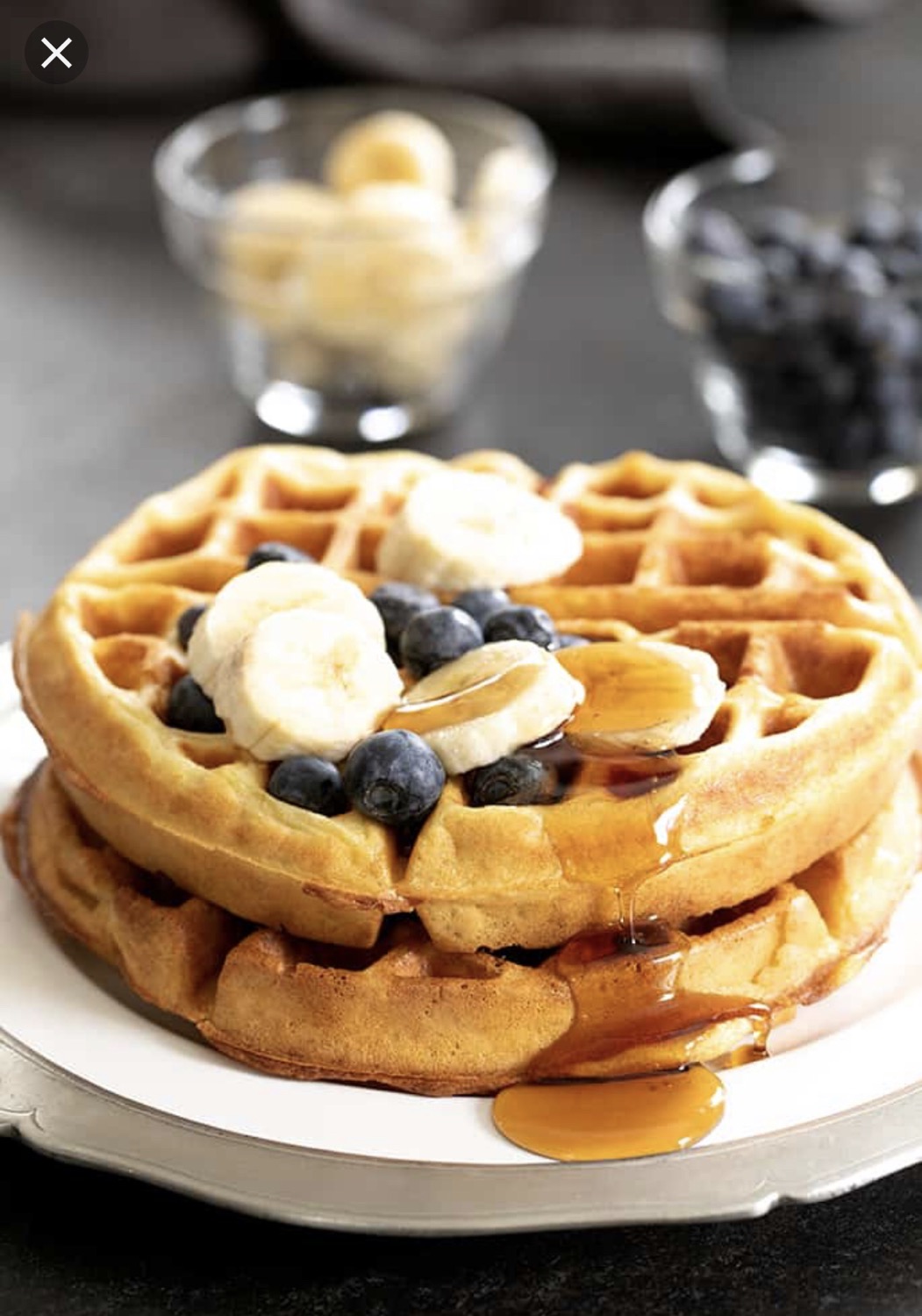
Short answer: a café or dessert shop does not need dozens of waffle toppings to create choice. A sensible launch framework is 6–10 versatile toppings, 2–4 sauces and 4–6 signature waffle builds, with one controlled build-your-own option if the operation can handle it. That is a practical starting range—not a universal rule. The right number is the smallest range that covers your customers’ main occasions while remaining fast, costed, traceable and easy to stock.
More choice can look impressive online, but every extra topping adds purchasing, storage, preparation, allergen, training and waste complexity. A focused range often gives the guest enough variety while helping the team produce better-looking waffles more consistently. Expand only when sales data shows that a new ingredient will earn its place.
The practical starting range
Four to six signature waffles: enough to cover classic, chocolate-led, fruit-led, biscuit or caramel-led and premium or seasonal occasions.
Six to ten multi-use toppings: ingredients that can work across waffles and, where relevant, pancakes, milkshakes, ice cream, hot drinks or other desserts.
Two to four sauces: a compact range with clearly different flavour roles rather than several near-duplicates.
One controlled custom option: for example, a defined number of included toppings with paid extras, rather than unlimited combinations.
One rotating special: useful for testing demand without permanently increasing the stock list.
A specialist dessert parlour with high throughput, deep storage and multiple dessert categories may justify a wider range. A coffee shop adding waffles beside an existing drinks and food offer may perform better with three or four finished builds. Treat the range above as a design framework, then adjust it to your venue’s measured demand and capability.
Why too many toppings can reduce commercial performance
Slower ordering
A long list makes guests compare more combinations and ask more questions. During a rush, that decision time can become a queue problem before the waffle reaches the machine. Signature builds shorten the choice while still allowing the menu to feel distinctive.
Slower assembly
The finishing team must remember portions, locate ingredients and present every build consistently. More containers also consume counter space. If staff cross over one another or reach behind the cooking zone, the menu has become an operational problem rather than a sales asset.
More stock and waste exposure
Each ingredient brings a minimum pack size, shelf life, storage requirement and preparation task. Fresh fruit can lose quality; opened sauces and crumbs must be rotated; premium confectionery may tie up cash. A topping that appears on one slow-selling waffle has a much weaker commercial case than an ingredient shared across several popular items.
More allergen and substitution complexity
Every new sauce, crumb, nut, ice cream or branded confectionery item changes the ingredient record and may change the allergen matrix. Substituting a supplier or flavour without updating written information creates avoidable risk.
Choose the right menu model
Curated signature menu
Best for: cafés, hotels, food halls and operators prioritising speed and repeatability.
The business defines each waffle, portion and presentation. Training is simpler, photography is clearer and stock forecasting is easier. The trade-off is less personalisation, so the range needs to cover the most important customer needs.
Full build-your-own menu
Best for: established dessert venues with sufficient counter space, stock control and trained finishing staff.
Customisation can increase perceived choice and support paid extras. However, it creates a very large number of possible combinations, slower ordering and a more complex allergen conversation. Pricing must prevent a heavily loaded order from eroding contribution.
Hybrid menu
Best for: most operators testing or growing a waffle offer.
Offer four to six photographed signature waffles, then one build-your-own route with a clear base price, defined inclusions and priced upgrades. This gives guests control without making every order an open-ended design exercise.
Build the range around flavour roles
Do not start by listing every topping a wholesaler sells. Start with the customer occasions the menu must cover, then choose ingredients that perform more than one role.
Classic: a simple finish such as a syrup-style drizzle, sugar or another low-complexity option.
Chocolate-led: one clearly defined chocolate direction supported by a sauce and a contrasting texture.
Fruit-led: a combination that adds freshness and colour while remaining practical for preparation and stock rotation.
Biscuit or caramel-led: a visually indulgent build using a crumb and complementary sauce.
Premium: a higher-value combination with a genuinely different ingredient, portion or presentation—not simply more of everything.
Seasonal: a limited-time build that uses one or two temporary ingredients while retaining the standard waffle, sauces and workflow.
A strong ingredient should appear in several profitable menu items without making them all taste identical. Fruit may work on waffles, pancakes and sundaes; biscuit crumb may support waffles, milkshakes and cookie dough; a sauce may finish desserts and flavour drinks. Cross-utilisation is helpful only when the kitchen can store, label and control the ingredient correctly.
Use a topping scorecard before adding anything
Score each proposed topping against the same commercial questions. A fashionable ingredient should not bypass the test.
Customer role: Which clear flavour or occasion does it add?
Menu reach: How many planned products can use it naturally?
Contribution: What is the measured portion cost and selling-price effect?
Speed: Can staff portion it quickly during the peak?
Waste risk: What happens after opening or preparation, according to the current supplier instructions?
Storage: Does it require chilled, frozen, dry or secure stock space?
Allergens: Can accurate information and cross-contact controls be maintained?
Delivery: Will it travel well, or create leaks, steam and poor presentation?
Supplier resilience: Is the specification stable, and what is the approved substitution process?
Reject or postpone ingredients that score poorly across several areas. A new topping can be attractive without being operationally ready.
Cost toppings by measured portion, not by pack
Topping cost per waffle = pack cost ÷ usable portions from the pack.
Calculate usable portions from an actual standard serving and allow for unavoidable preparation loss where relevant. Do not divide by a theoretical scoop count that staff cannot reproduce. Add the waffle base, sauce, topping, ice cream, garnish, packaging, payment fee, labour allowance and relevant overheads before evaluating the selling price.
Golden Waffle’s guide to pricing waffles in a UK café explains contribution-based pricing, while the waffle profit calculator can help operators test their own volumes and selling prices. Use current supplier costs and your real portions rather than copying another venue’s menu price.
A premium topping should either increase the selling price, strengthen conversion, support a profitable bundle or improve another measurable outcome. If it only increases food cost and handling time, it may not deserve a permanent place.
Standardise every signature build
Create a one-page specification for each waffle. Include the current product names, exact measured portions, application order, approved substitutions, plating or packaging, allergen reference and a photograph of the finished standard. Staff should not be expected to interpret words such as generous, loaded or a drizzle.
The batter dose also needs a defined standard. Golden Waffle’s guide to commercial waffle-maker batter portions shows how to calibrate the actual plate instead of relying on a universal measure. Consistent waffles make topping portions and presentation easier to control.
For a straightforward base, the UK-blended Golden Waffle 3kg commercial mix is prepared with 3 litres of cold water in accordance with the current pack instructions, with no additional eggs, butter or oil required. The 13.5kg case contains six 2.25kg bags. Results depend on accurate measuring, mixing, equipment, temperature and portioning; always follow the current label.
Design the topping station for speed
Map the sequence. Cook, remove, rest briefly where appropriate, sauce, add solid toppings, finish, check and hand off.
Place by frequency. The most-used ingredients should require the least reaching and crossing.
Separate the hot zone. Keep topping containers and guest interaction away from the open waffle plates.
Use dedicated portion tools. One bottle, scoop or spoon per ingredient reduces variation and supports allergen control.
Set refill levels. Do not wait until a container is empty during the rush, but avoid overfilling perishable ingredients.
Create a clean hand-off point. Finished waffles should leave the assembly area without travelling back across production.
A 25cm waffle cooling rack can support airflow during finishing, while a flexible silicone waffle fork helps staff remove waffles without using sharp metal utensils against coated plates.
Keep allergen information accurate as the menu grows
Toppings can introduce cereals containing gluten, milk, eggs, peanuts, tree nuts, sesame, soya and other regulated allergens. The exact information must come from current product specifications and the way food is handled in your business—not from assumptions based on a topping’s name.
The Food Standards Agency’s guidance for non-prepacked food says allergen information must be accurate and recommends keeping full ingredient records so staff can check rather than guess. Update the menu, allergen matrix, online listings and staff brief whenever an ingredient or supplier changes.
A build-your-own menu needs particular care because guests can create combinations that do not exist as fixed recipe cards. Define how the order is recorded, how allergen requests reach the preparer, which utensils and work areas are used, and when the team must decline a request it cannot fulfil safely. Never make a free-from claim unless the recipe, specification and cross-contact controls support it.
Use delivery performance as a topping filter
A topping that photographs well on a plate may fail inside a closed box. Hot waffles release steam; ice cream melts; sauces migrate; tall decorations collapse. Test the complete journey at the longest delivery time you intend to offer.
For takeaway, consider a smaller delivery menu using toppings that remain stable, travel in separate pots where appropriate and can be assembled without crushing the waffle. The guide to keeping waffles crisp during busy service and delivery covers airflow, holding and packaging decisions.
Do not automatically list every in-store combination online. A deliberately shorter delivery range can protect reviews, simplify packing and make the digital menu easier to navigate.
Run a four-week topping test
A practical pilot reveals more than a tasting session. Keep the base recipe, machine settings and selling conditions as stable as possible so the results are useful.
Week 1 — baseline: launch the core signature range with documented portions and record every sale, extra and reject.
Week 2 — observe speed: measure order-to-hand-off time during the peak and note the questions or custom requests that cause delay.
Week 3 — review stock: compare purchases, recorded use, closing stock and waste for every topping.
Week 4 — decide: keep, rework, promote, make seasonal or remove each ingredient using contribution, demand, speed and waste—not personal preference.
Track attach rate as well as item sales. A topping may earn its place as a paid extra even if the signature waffle carrying it is not a bestseller. Conversely, a popular-looking item may underperform after its labour, premium ingredients and waste are considered.
Signs your topping range is too large
Staff regularly substitute ingredients without an approved process.
Several open products expire or deteriorate before they are used.
Guests take noticeably longer to order at peak times.
The assembly counter cannot hold the range cleanly and safely.
Recipe cards, allergen information and delivery menus disagree.
Toppings appear on only one low-selling product.
Portions vary because staff cannot remember every build.
Stock counts show unexplained usage or repeated emergency purchasing.
Reducing the range is not a retreat. It can make the remaining menu easier to photograph, train, stock, sell and execute.
When should you add another topping?
Add a permanent ingredient when it fills a proven flavour gap, can be used across enough demand, has a controlled portion, fits the available storage, maintains accurate allergen information and improves expected contribution after waste and labour. A social-media trend alone is better handled as a limited special.
Before a national or multi-site rollout, approve one specification and supplier route, test the ingredient at a small number of sites and define change control. This protects consistency when local teams encounter shortages or alternative pack sizes.
Frequently asked questions
Is six to ten toppings enough for a dessert shop?
It can be enough for a focused launch when the ingredients are versatile and combined into clearly different signature waffles. Established dessert shops may support more, but the operational test is whether each ingredient earns its storage, training and waste burden.
Should sauces count as toppings?
Manage them as a separate menu and stock category. Sauces affect flavour, cost, allergens, bottle space and assembly time, even if customers think of them as part of the topping choice.
How many toppings should a build-your-own waffle include?
Define a small number of inclusions that your cost model can support, then price additional or premium ingredients separately. Unlimited loading makes portion control, presentation and contribution difficult to protect.
Should fresh fruit be offered every day?
Only when demand, storage, preparation and stock rotation support it. Forecast by daypart, prepare controlled quantities and use the current food-safety procedure. Seasonal fruit can be a rotating option rather than a permanent promise.
Are branded chocolate toppings essential?
No. They can provide familiarity, but usually cost more and may create supply, trademark, allergen or menu-update considerations. Compare them with unbranded flavour-led builds using customer response and full portion cost.
How often should a waffle menu be reviewed?
Review sales, contribution, waste and service performance regularly, with a deeper review after seasonal changes, supplier substitutions or significant cost movements. Correct allergen information immediately whenever the recipe or ingredient changes.
Can one waffle mix support several menu styles?
Potentially, provided the mix is suitable for the intended equipment and the business validates each finished product. Golden Waffle’s current commercial mixes are suitable for waffle and pancake menu applications when prepared with appropriate equipment and the current instructions.
The best topping range is focused, flexible and measurable
For many cafés and dessert shops, 6–10 toppings, 2–4 sauces and 4–6 signature waffles provide a strong starting point. The commercial advantage does not come from the number itself; it comes from a range that is easy to choose, quick to produce, accurately costed, safe to explain and disciplined enough to improve.
Planning a new or revised waffle menu? Contact Golden Waffle with your venue type, service model, expected peak demand and current dessert range. The team can discuss commercial mix, machine and accessory options subject to suitability, availability and agreed terms.


Comments