

Why Are Waffles Sticking to a Commercial Waffle Machine?
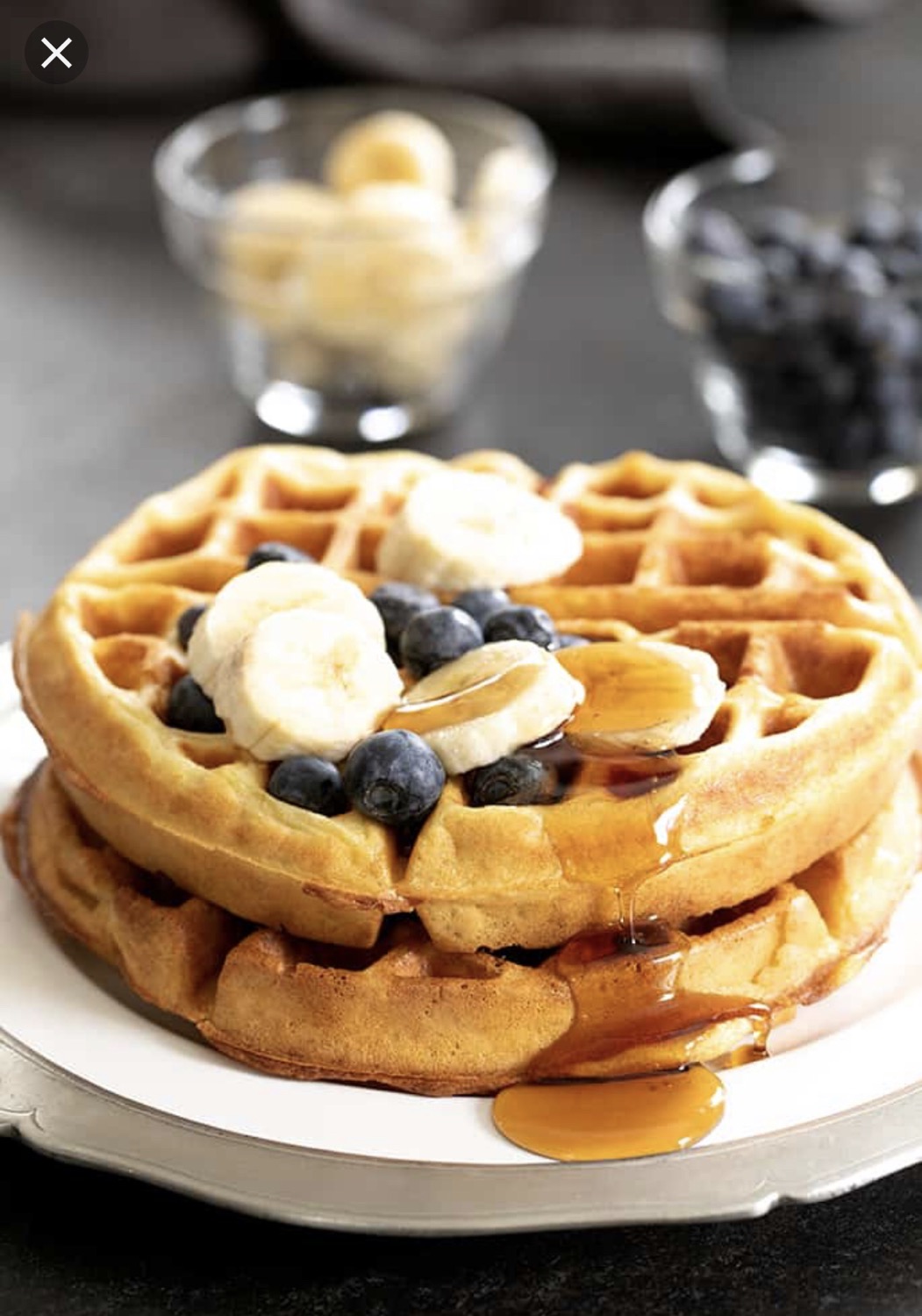
Short answer: a commercial waffle normally sticks because the plates were not fully ready, the batter or portion changed, the lid was opened before the waffle set, residue is interfering with release, the wrong amount of release agent was used, or the cooking surface has been damaged or worn. Do not prise the waffle out and immediately increase the spray. Run a controlled test, changing one variable at a time. If the waffle repeatedly sticks in the same clean, correctly heated area, inspect the coating, plate seating and heat performance.
For a hotel, café, restaurant, dessert shop or mobile caterer, sticking is more than an untidy waffle. It slows the queue, creates remakes, leaves residue for the next batch and tempts staff to reach for a metal utensil. The quickest commercial fix is a short diagnosis that protects the plate while production is paused.
What should you do first when a waffle sticks?
Stop forcing it. Switch the station out of service long enough to make the machine safe under your approved procedure. Never scrape coated plates with a knife, ordinary fork, screwdriver or metal spatula. Allow the machine to reach the condition specified by its manufacturer before removing loose residue with an approved non-abrasive tool.
Record exactly what happened: machine and plate set, batter batch, water ratio, measured portion, temperature or programme, timer, which surface held the waffle and whether the fault appeared on the first waffle or after a busy run. That evidence makes the next test useful instead of turning it into guesswork.
When lifting a cooked waffle, use the removal tool approved for the surface. Golden Waffle’s heat-resistant flexible silicone waffle fork is designed to help staff remove waffles without bringing metal cutlery into contact with coated plates.
The seven-step commercial sticking test
1. Return to the approved standard batter
Use one known, in-date batch prepared exactly to the supplier’s water ratio and mixing method. Do not alter fat, sugar, flavourings or inclusions while diagnosing the machine. A thinner or thicker batch changes the way heat reaches the waffle and can make release less predictable. If the site has just changed mix, water measurement, resting time or container, test the former controlled method before blaming the plates.
Golden Waffle’s 13.5kg just-add-water commercial waffle mix is supplied as six 2.25kg bags. Whatever mix is used, the product instructions—not an improvised recipe—should define the diagnostic batch.
2. Preheat fully and verify the ready condition
A light switching on is not proof that the complete plate mass has stabilised. Start the machine according to its manual, allow the full stated preheat and confirm the correct ready indicator or operating condition. During continuous service, watch whether the next portion is poured before the machine has recovered from the previous cycle. A first batch that sticks but later batches release often points towards inadequate preheating.
3. Measure one repeatable portion
Use the same clean jug, ladle or dispenser setting for every test waffle. Underfilling can produce thin, fragile edges; overfilling can push batter into the rim, hinge or overflow channel and make removal harder. Mark the approved portion in the station procedure rather than asking staff to judge by eye. Golden Waffle’s 3-litre precision measuring jug can support repeatable batter preparation and portion checks.
4. Use the approved programme and let the waffle set
Opening the lid early can split a waffle between the upper and lower plates before its structure has formed. Use the same timer and temperature specified for the machine, plate pattern and batter. Avoid repeatedly lifting the lid to inspect progress. If the machine has an audible or visual completion signal, train staff what it means and when a gentle release check is appropriate.
5. Inspect a cold, clean plate under good light
Look for a glossy or dark residue in grid corners, a rough patch, scratches, blistering, exposed substrate, loose fixings or a plate that does not sit evenly. Carbonised batter and accumulated release product can imitate failed non-stick coating. Physical damage can create a recurring anchor point. Photograph the surface and mark the location on a simple plate diagram so you can compare it with the stuck area.
6. Check the release-agent rule for that exact surface
Some commercial plates and recipes call for a suitable release agent; others have different coating or seasoning instructions. Follow the machine, plate and product directions. Too little may not support the approved process, while heavy or repeated application can pool in grid corners, burn and create the very build-up that causes sticking. Never use spray as a substitute for correct preheating, portioning, timing or cleaning.
If the instructions permit a dedicated product, apply it only as directed. Golden Waffle lists Mountain Waffles Easy Release Waffle Iron Spray for commercial waffle irons; compatibility and application guidance should be checked before use.
7. Cook three controlled waffles and change one variable only
After the safe inspection and approved clean, cook a minimum test run using the same batter, portion, settings and operator. Record release, colour, cooking time, torn areas and which plate held each waffle. One successful waffle is encouraging but does not prove that the station is stable. If the pattern survives three controlled cycles, move from process correction to plate or machine investigation.
What the sticking pattern usually tells you
Only the first waffle sticks: the plates may not have reached a stable operating condition, or the opening routine may differ at the start of service. Recheck the complete preheat and first-batch procedure.
Every waffle sticks across most of the surface: check the batter ratio, timer, temperature, residue and release-agent method before assuming the coating has failed everywhere.
The waffle tears between the top and bottom plates: the lid may be opening too soon, the waffle may be undercooked, or one surface may be gripping more strongly. Compare top and bottom plate condition.
The same corner or grid section sticks each time: inspect that exact cold, clean area for residue, a scratch, coating wear, poor plate seating or a cold spot. A repeatable location is valuable diagnostic evidence.
Sticking begins later in a busy service: look at heat recovery, rushed timing, accumulated overflow, repeated spraying and whether staff portions grow as the queue builds.
Sticking follows a new recipe or topping: return to the approved plain batter. Added sugar, fruit, chocolate, cheese or other inclusions can change adhesion and may require a separately tested process.
The waffle releases but leaves burnt fragments: stop and remove residue by the approved method before continuing. Fragments left on the plates can create a worsening cycle of sticking and scorching.
Why preheating and timing matter
The batter must contact a correctly prepared hot surface, form its structure and release without being torn prematurely. A cold or recovering plate can set the batter unevenly; an early lid opening can separate the waffle before the centre and surface are ready. Conversely, excessive heat or an unsuitable programme can burn sugars and leave deposits.
Do not copy a generic temperature or cooking time from another model. Plate mass, thermostat behaviour, waffle depth, batter and service environment differ. Use the manufacturer’s instructions, then create a validated site standard showing the exact start-up, portion and timer used with your chosen mix.
Can batter cause waffles to stick?
Yes. Water ratio, mixing, holding time, ingredient changes and inclusions all affect batter performance. Original research on industrial waffle production identifies recipe ingredients, baking process, plate material, release agent and cleaning as interacting factors in waffle adhesion. The practical foodservice lesson is not to guess which single ingredient is responsible; it is to test a known batch under controlled conditions.
A sudden fault affecting two machines that use the same new batter batch points towards preparation before both sets of plates fail simultaneously. A fault confined to the same grid area on one machine points more strongly towards the surface or heat. Keep batch labels and preparation records so this distinction can be made quickly.
Can too much oil or release spray make sticking worse?
It can. Excess product may collect in the grooves, combine with batter residue and bake into a tacky or carbonised film. Applying more before every waffle can hide an inconsistent process for a short period while making later cleaning and release less reliable. Use only the compatible product and frequency specified for the plate, and record any change during testing.
If the plate is visibly damaged, repeated spraying is not a repair. If the plate is dirty, spraying is not a clean. If the plate is cold, spraying does not replace preheating.
When should you clean, retrain, service or replace?
Clean the machine when
There is visible batter, sugar or oily build-up; the fault appeared after overflow; the sticking location matches residue; or performance improves after a controlled approved clean. Follow the model-specific method in How Should You Clean a Commercial Waffle Machine Safely?. Never escalate to metal scraping, harsh chemicals or flooding the electrical appliance.
Retrain the team when
Different operators use different portions, open the lid at different times, spray at different frequencies or remove waffles with whatever utensil is nearby. A one-page station standard and an observed competency check are more useful than a vague instruction to “be careful”. Keep the silicone fork at the machine and remove metal cutlery from the immediate work area.
Arrange competent inspection or service when
The machine has uneven heat, unusual cycling, loose or misaligned components, damaged controls, cable or plug concerns, unexpected movement, smoke or an odour not explained by food residue. The UK Health and Safety Executive states that work equipment must be maintained in an efficient state, in efficient order and in good repair, and that maintenance must be carried out safely by competent people. Use the HSE work-equipment maintenance guidance alongside the manufacturer’s requirements and your site risk controls.
Assess plate replacement when
Clean, correctly seated plates still stick in the same areas during repeatable tests, or the surface shows deep scratches, peeling, blistering, bare patches or significant wear. Read When Should Commercial Waffle Plates Be Replaced? before ordering. Golden Waffle lists selected triple-coated compatible 7-inch round plate sets, but compatibility must be verified against the exact machine make and model.
A five-minute staff standard for reliable release
Display a short machine-specific card beside the station. It should state the approved batter and water ratio, full preheat signal, measured portion, cooking programme, lid-opening rule, approved release product and frequency, removal utensil, between-batch response, end-of-service clean and fault-reporting route.
At shift handover, record the batter batch, machine used and any sticking location. Supervisors should observe a test waffle periodically, not only check that a form has been ticked. Repeated faults should trigger the controlled test rather than an informal change to spray, heat or recipe.
How much can sticking cost a hospitality business?
The direct cost is not just the discarded waffle. Track dry mix and toppings wasted, staff time, delayed orders, cleaning time, refunds or remakes, packaging already used and any lost sales while the station is stopped. Also record plate damage caused during removal. A small number of incidents may reveal a training gap; daily repeated incidents can justify planned maintenance or compatible replacement plates.
Use a simple weekly measure: sticking incidents per 100 waffles, remakes, average recovery time and the repeated fault location. This turns “the machine is playing up” into evidence a manager, supplier or technician can act on.
When is the whole machine the problem?
Plates cannot correct a failing thermostat, heating element, timer, hinge, rotation mechanism or electrical system. If colour remains uneven after the plates are clean and correctly fitted, the machine does not recover between cycles, controls behave unpredictably or several major components are unreliable, arrange competent assessment. Compare the total cost of parts, labour and downtime with a supported replacement.
Operators reviewing a complete station can compare the Golden Waffle commercial rotating waffle machine with their capacity, electrical supply, waffle format, plate availability and service requirements. Suitability should be confirmed for the intended workload and operating environment.
Frequently asked questions
Why do waffles suddenly start sticking?
Start with what changed: batter batch, water measurement, holding time, operator, portion, programme, release product, cleaning method or service volume. If nothing changed, inspect the cold clean plates and heat performance. Sudden sticking in one precise area can indicate residue or surface damage; sticking on both machines may point towards a shared batter or process.
Should I spray a commercial waffle maker before every waffle?
Only if the machine, plate and release-product instructions specify that frequency. Universal advice is unsafe because coated and seasoned surfaces differ. Excess application can build residue. Validate one method for the exact equipment and train every shift to follow it.
How do I remove a stuck waffle without scratching the plates?
Stop forcing it, make the machine safe under the approved procedure and use only the manufacturer-approved non-metallic method. Do not lever the waffle out with a knife or steel fork. A flexible silicone utensil may help with normal cooked-waffle removal, but it should not be used to scrape hardened residue.
Does sticking mean the non-stick coating has failed?
Not automatically. Inadequate preheat, early opening, batter variation, overfilling, residue and release-agent errors can all imitate coating failure. Suspect wear more strongly when clean controlled tests stick repeatedly in the same visibly damaged location.
Can I season non-stick waffle plates like cast iron?
Do not transfer a cast-iron seasoning method to a coated surface. Use only the care procedure supplied for the exact plate material and model. If the material is uncertain, pause use and ask the manufacturer or supplier.
When should a commercial waffle machine be taken out of service?
Take it out of use when there is visible coating deterioration requiring assessment, damaged electrical parts, loose or abnormal movement, smoke or odour not explained by food, unreliable controls, or any condition the site procedure defines as unsafe. Isolate it and refer it to a competent person.
The operator’s answer
When a commercial waffle sticks, protect the plate first and diagnose the station in a fixed order: approved batter, complete preheat, measured portion, full cooking cycle, clean surface, correct release method, then repeatable testing. Clean residue, retrain inconsistent technique, service heat or mechanical faults, and replace only plates that fail controlled checks or show genuine deterioration.
Golden Waffle supplies commercial waffle mix, silicone removal utensils, selected release products, compatible replacement plates and a rotating commercial machine for UK hospitality operators. Match every component and care method to the exact equipment before purchase or use.


Comments