

What Equipment Do You Need to Serve Waffles at Events?
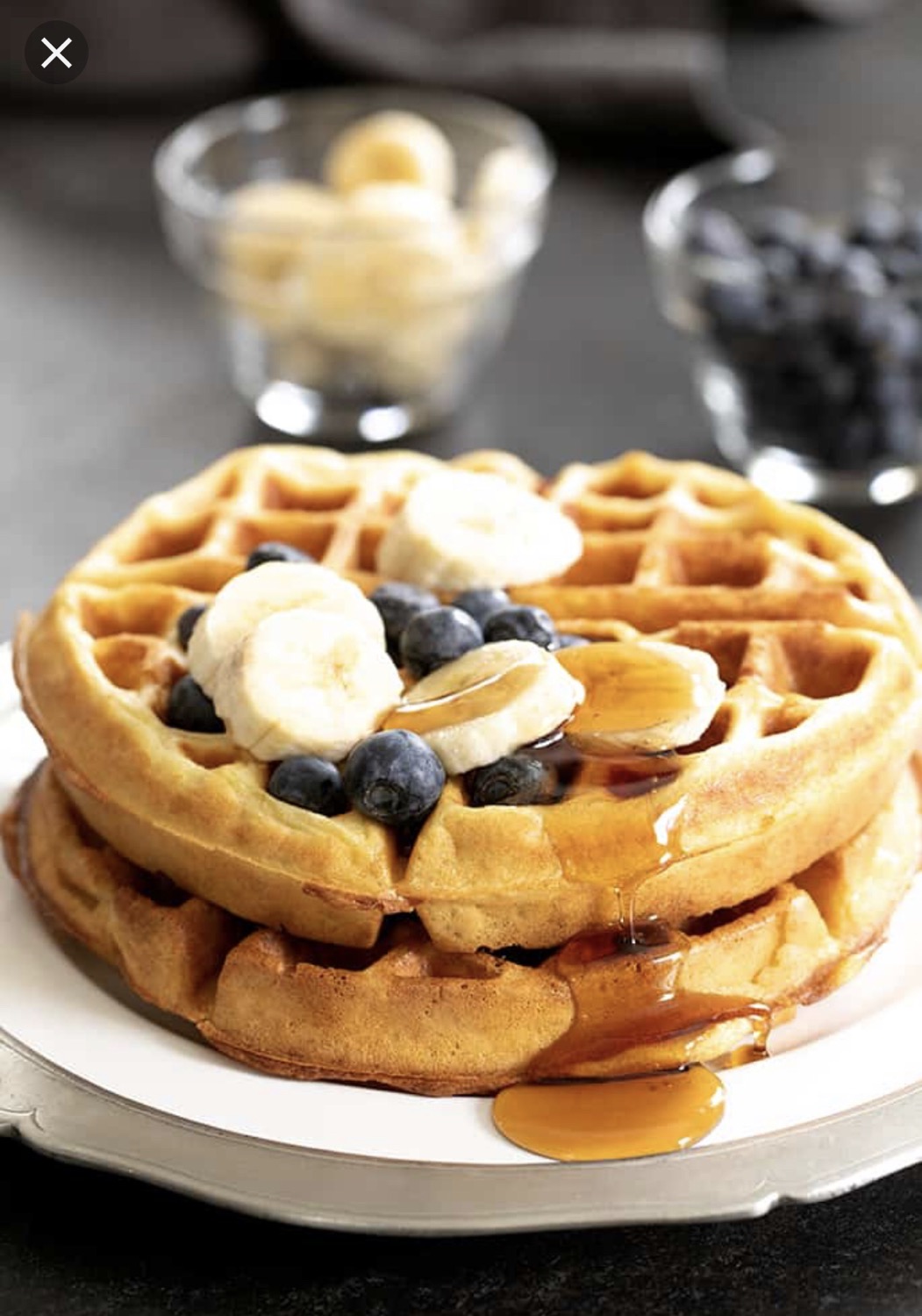
Short answer: to serve waffles professionally at an event, you need more than a waffle maker. Build a complete temporary service system around a verified commercial machine, a confirmed electrical supply, measured batter preparation, food-safe holding, plate-friendly utensils, a cooling and finishing area, hand-washing and cleaning controls, queue management, payment equipment and a documented backup plan.
The right specification depends on the event format, expected peak demand, menu, site utilities, weather exposure and organiser rules. Confirm the machine’s actual rating and operating instructions, then test the whole workflow before promising an output. That approach is safer—and far more commercially useful—than buying a machine on the strength of an advertised waffles-per-hour figure alone.
Waffle catering equipment checklist: the essentials
Cooking: a suitable commercial waffle machine, heat-safe stable work surface, manufacturer-approved drip management and any model-specific accessories.
Power: the machine’s declared electrical load, a supply confirmed by the organiser or a competent contractor, suitable protected cabling, safe isolation and weather protection where required.
Batter: commercial mix, potable water, accurate measuring jug, whisk or approved mixer, lidded food-safe containers, labels and a controlled dispensing method.
Handling: a silicone waffle fork or other plate-safe utensil, heat-resistant gloves where the risk assessment requires them, and separate utensils for toppings.
Finishing: a raised cooling rack, covered topping containers, portion tools, serving trays or packaging and an uncluttered hand-off point.
Hygiene: a compliant hand-washing arrangement, cleaning and sanitising supplies, waste containers, food-safety records and allergen information.
Service: menu and pricing display, card terminal, order-control method, lighting if needed and a realistic queue layout.
Contingency: spare smallwares, additional approved ingredients, a plan for power loss or machine failure, and agreed stop-service criteria.
Start with the service model, not the shopping list
Equipment only makes sense in the context of how guests will order, wait and receive the product. Decide the service model before choosing the machine count or counter layout.
Staffed, made-to-order service
This offers the strongest theatre and the freshest hand-off, but every order occupies machine time. It suits weddings, corporate hospitality and premium markets where presentation matters and demand can be paced. Allocate one person to batter and cooking and, at busier events, another to toppings, payment and guest questions.
Staffed batch-and-finish service
A small controlled buffer can shorten queues, provided your recipe, holding time and quality standard are validated. Move cooked waffles to a raised rack rather than stacking them on a flat tray, which can trap steam. For practical texture guidance, see Golden Waffle’s guide to keeping waffles crisp during busy service.
Guest self-service
Self-service may reduce labour at managed venues, but it changes the risk profile. Guest instructions, supervision, hot-surface separation, allergen controls, spill response and organiser approval all become central. It is rarely the simplest default for a temporary public stall.
Choose the commercial waffle machine around measured demand
Check the plate format, cycle controls, footprint, access for cleaning, coated-plate condition, replacement-part route and the exact electrical data plate. A timer and adjustable temperature can help staff repeat a tested process; replaceable plates can support longer-term maintenance. Golden Waffle’s commercial rotating waffle machine has an integrated timer, adjustable temperature and replaceable coated plates, and is available to purchase outright or, for approved UK businesses, under qualifying on-loan terms.
For mobile buyers comparing machine formats, the existing food-truck waffle-machine guide explains footprint, recovery and service considerations. An event setup still needs a separate site-and-service plan because the pitch, utilities and peak pattern can change from booking to booking.
Do not size capacity from a headline alone
Manufacturer or retailer output figures are normally achieved under stated test conditions. Your usable output depends on actual cycle time, preheat and recovery, batter portion, operator pace, rejects, cleaning interruptions and the finishing station. Measure your own saleable output with the chosen recipe and equipment.
Required average rate = expected peak waffle orders ÷ peak service minutes.
If 90 waffle orders are expected in a 60-minute peak, the service must sustain an average of 1.5 saleable orders per minute. That calculation does not automatically tell you how many machines to buy: run a timed trial that includes filling, rotation, cooking, removal, finishing and hand-off. Add a sensible operating buffer based on the consequences of delay, rather than assuming the team can work continuously at laboratory pace.
Plan event power as part of the equipment specification
Ask the organiser for the available supply, connection type, location, maximum permitted load and rules for temporary installations. Add the declared load of every item that may run at the same time—not only the waffle machine—and have suitability confirmed by a competent person. Domestic multiway adaptors are not a capacity plan.
The HSE’s event electrical-safety guidance says event installations and equipment should be properly selected, installed and maintained. It specifically highlights power requirements, generators, earthing, environmental conditions, catering supplies, public access and cable routing. Use that guidance alongside the organiser’s procedures and competent electrical advice.
Outdoor operation also means planning for rain, wind, public contact and vehicle movements. Keep electrical equipment suitably sheltered, route cables away from queues and work areas, and never improvise a supply on arrival. Agree who can isolate power and what the team should do if protection trips.
Build a repeatable batter-preparation system
Event service punishes vague measures. Use one written method, one approved batch size and one portion standard. Golden Waffle’s UK-blended 13.5kg commercial mix case contains six 2.25kg bags and requires no additional eggs, butter or oil when prepared to the current pack instructions. The 3kg tub is prepared with 3 litres of cold water under the current instructions. Always check the label supplied with the stock.
For larger controlled batches, a 15-litre lidded bucket can accommodate one, two or three 2.25kg bags when prepared in line with the current mix instructions. A 3-litre measuring jug helps staff repeat the water measure. Record batch time and identity, protect the container during transport, and follow current storage and prepared-batter instructions.
Calibrate the dose on the actual machine instead of copying an internet measure. The guide to commercial waffle-maker batter portions explains how to establish a plate-specific portion that avoids underfill and overflow.
Small tools that protect speed and product quality
Plate-safe removal tool: a flexible silicone waffle fork avoids bringing sharp metal utensils into contact with coated plates.
Cooling rack: a 25cm stainless-steel cooling rack lets air move beneath a waffle while the finishing team prepares the order.
Portion tools: dedicated scoops or bottles for each sauce and topping improve speed, presentation and stock control.
Lidded containers: protect ingredients between service bursts and support a tidy, auditable station.
Duplicate smallwares: spare jugs, utensils and cleaning cloths are inexpensive compared with stopping service because a single item is dropped or contaminated.
Compare one machine, two machines and hired equipment
One machine
Lower counter space, transport and initial equipment demand. It can suit lower-volume bookings or a tightly paced premium service, but there is no cooking redundancy. A single fault can stop fresh waffle production.
Two independently supplied machines
Can increase measured capacity and provide operational resilience, but only if the confirmed electrical supply, counter space, ventilation, staffing and finishing area support both. Two machines on an unsuitable circuit are not redundancy.
Hired equipment
May be appropriate for a trial or occasional large booking. Compare collection and delivery, cleaning obligations, plate format, included accessories, electrical specification, training, damage terms and support—not just the hire charge. Test the exact model before the event.
Owned or qualifying on-loan equipment
Ownership may suit frequent events and gives the operator control over training and maintenance history. A supplier loan programme can reduce initial capital for qualifying businesses, but commercial commitments, eligibility, stock terms, support and return conditions must be understood in writing.
Design the station around a one-way workflow
Receive the order. Keep payment and guest questions away from the hot production zone.
Measure the batter. Use the calibrated dose and keep the dispenser or lidded container in one fixed position.
Cook and monitor. The operator follows the validated time, temperature and rotation method.
Remove safely. Use a plate-friendly utensil and transfer the waffle to the rack.
Finish the order. A separate person adds toppings during the peak when labour allows.
Hand off clearly. Use an order number, name or simple ticket system so finished food reaches the right guest.
Reset immediately. Clear drips, close ingredients, restock packaging and keep the next cycle moving.
Keep raw materials and guest-facing items from crossing the removal path. The machine handle, hot surfaces and open plate need separation from the public, while the operator needs enough elbow room to rotate and open the unit without colliding with colleagues.
Food-safety and registration checks for event traders
A temporary pitch does not remove the operator’s food-business duties. The official Food Standards Agency registration service states that a new food business must register with its local authority at least 28 days before trading or before food operations start. Mobile businesses use the location where the business is normally stored overnight during registration. Confirm your own position with the relevant authority.
Your event file should also cover allergen information, hand washing, water, cleaning, waste, temperature control for any higher-risk toppings, traceability, staff competence and the organiser’s documentation requirements. Never describe a product as allergen-free or suitable for a dietary need unless the current specification and your cross-contact controls support that statement.
Use an event contribution model before accepting the booking
Event contribution = sales or contract value − mix, toppings, packaging, labour, pitch fee, organiser commission, power or fuel, transport, payment fees, waste and event-specific overheads.
Calculate three cases: conservative demand, expected demand and capacity-constrained demand. Include paid setup and pack-down time. For a fixed-price wedding or corporate booking, divide the total contract value by the expected number of servings for an internal revenue-per-serving check, but retain a labour and contingency allowance.
Track saleable waffles, batter batches, topping usage, rejects, queue abandonment and downtime after each event. Those figures improve the next quote far more than a generic industry margin claim.
Adapt the setup to the event type
Weddings and private celebrations
Prioritise presentation, an agreed service window and discreet queue management. Confirm guest numbers, dietary requests and whether waffles are a main dessert or an additional station. A smaller menu can look more premium while improving pace.
Festivals, markets and street-food events
Prioritise peak throughput, weather protection, robust transport, visible ordering, stock security and fast packaging. Confirm pitch dimensions, permitted equipment, utility charges, arrival windows and waste arrangements before committing.
Corporate events and exhibitions
Service often arrives in concentrated breaks. Model the ten- or twenty-minute surge, not only the total delegate count. Pre-agreed topping choices and a separate collection point can reduce congestion.
Hotel and venue pop-ups
Existing kitchens may support preparation and washing, but the guest-facing station still needs an equipment, power and supervision plan. Clarify which responsibilities sit with the venue and which sit with the caterer.
A practical pre-event test
Set up the same machine, tools and counter spacing planned for the event.
Prepare the intended batch using the current product instructions.
Run at least one realistic peak simulation with the scheduled staff.
Time complete saleable orders, not only machine cycles.
Introduce normal tasks: topping refill, card payment, guest question and quick clean.
Record rejects, bottlenecks, power interruptions and queue length.
Revise the menu, staffing, machine count or booking promise before service.
Train every operator against the same start-up, portion, cooking, shutdown and incident procedure. Golden Waffle’s commercial waffle-machine staff training guide provides a structured framework for induction and sign-off.
Contingency equipment: decide what failure you can absorb
Carry duplicates of low-cost single points of failure such as the measuring jug, silicone utensil, card-terminal charger, labels and serving tools. Hold an agreed buffer of packaging and approved ingredients. For high-value bookings, decide whether a second machine is justified—but confirm that it can be powered independently and used safely.
Write clear stop-service triggers for unsafe power, damaged cables, unstable structures, loss of potable water, uncontrolled cross-contact or machine faults. A commercially sound contingency plan protects the guest, the organiser relationship and the brand.
Frequently asked questions
How many waffle machines do I need for an event?
Calculate the peak order rate, then measure complete saleable output with the actual recipe, machine, staff and finishing process. Add resilience according to the booking risk. Do not divide guest count by an advertised hourly maximum.
Can I use a domestic waffle maker at a festival?
Use equipment that is suitable for the intended commercial workload and environment, and accepted by the organiser. Confirm the manufacturer’s instructions, electrical rating, maintenance condition and any insurer or authority requirements.
Should event waffle batter be mixed on site?
It depends on the food-safety system, facilities, transport controls and current product instructions. On-site mixing can reduce transport risk; controlled advance preparation can shorten setup. Document whichever method you validate.
What power information should I give the event organiser?
Provide the declared rating and connection details for every item that may run simultaneously, plus your setup location and operating timetable. Ask the organiser or competent contractor to confirm the supply and temporary installation—not merely that a socket is nearby.
Is a cooling rack really necessary?
It is a small but useful workflow tool. Briefly raising a waffle allows airflow while it is finished and can reduce steam being trapped against a flat tray or immediate closed packaging.
Can Golden Waffle supply a machine for event catering?
Golden Waffle’s commercial rotating machine can be bought outright. On-loan supply is also available to approved UK businesses under qualifying mix-programme terms. Suitability, availability and commercial terms should be confirmed for the intended operation.
What is the best event waffle menu?
Usually the menu that the team can execute consistently at the expected peak. Start with a small number of clearly differentiated builds, use shared ingredients where practical, cost every portion and add complexity only after the timed trial proves the station can absorb it.
Build the system before you sell the capacity
A profitable waffle station is an operating system: machine, power, batter, people, station layout, controls and contingency working together. Specify each part against the real event, measure the full service cycle and qualify every commercial assumption.
Planning an event-catering setup? Contact Golden Waffle with the event format, expected peak orders, service window, site utilities and preferred waffle style. The team can discuss mix, machine and accessory options subject to suitability, availability and agreed terms.


Comments